

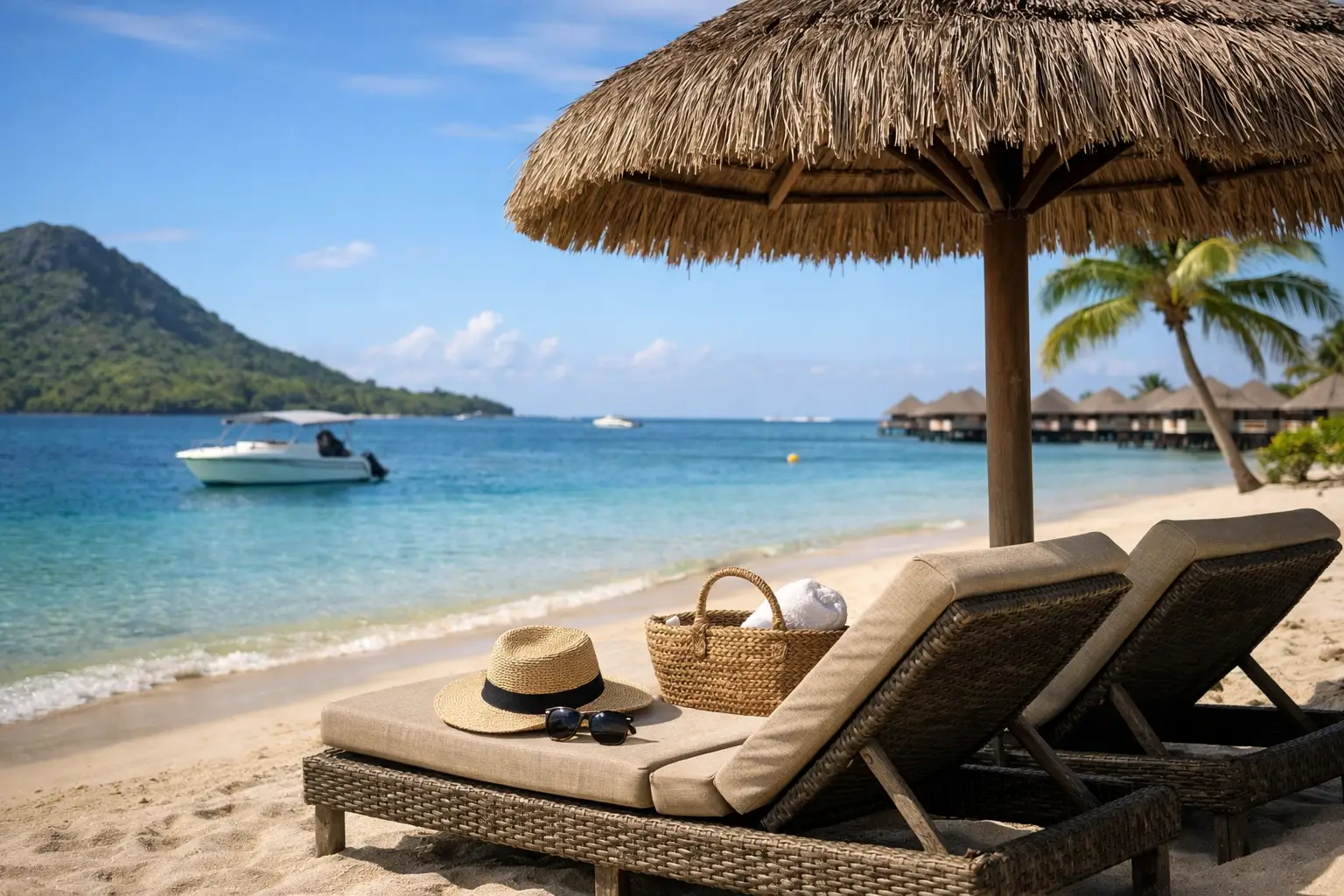
The best Mauritius vacations feel wonderfully unhurried: a morning swim, a scenic drive through sugarcane fields, lunch by the lagoon, and a sunset that makes you forget the time. This Mauritius safety guide helps keep that feeling intact. Mauritius is widely regarded as a welcoming destination for leisure travelers, but an easy trip still depends on a few smart decisions around transport, sea conditions, personal belongings, weather, and local advice.
Mauritius Safety Guide: What to Expect
Most visitors enjoy Mauritius without serious problems. Tourist areas such as Grand Baie, Flic En Flac, Belle Mare, Le Morne, and Trou aux Biches are accustomed to international travelers, and Mauritian hospitality is a genuine part of the island experience. English and French are widely understood, which makes everyday requests, directions, and assistance more straightforward.
That said, a safe holiday is not the same as a careless one. Petty theft can happen anywhere people leave bags unattended, especially on beaches, in parked cars, or in busy public places. Carry what you need for the day, keep passports and extra cash secured at your accommodation, and do not leave phones, wallets, or shopping bags visible in a rental car.
Use the same awareness you would use in any popular holiday destination. At night, stay with your group where possible, choose well-lit areas, and arrange a reliable ride rather than walking unfamiliar roads after dark. If something feels unclear, ask your hotel, host, or local transport provider before you go.
Beach and Ocean Safety Comes First
Mauritius is surrounded by beautiful lagoons, but beach conditions vary considerably by coast, season, wind direction, and weather. A calm-looking beach is not always the best place for a long swim, while an active beach may be ideal for watersports but less suitable for young children.
Pay attention to flags, warning signs, and advice from lifeguards or activity professionals. Avoid swimming alone, especially early in the morning, after sunset, or where there are few people nearby. If the water is rough, do not try to prove that you can handle it. Strong currents and changing conditions can tire even confident swimmers quickly.
The reef protects many lagoon areas, but it also creates its own risks. Sea urchins, sharp coral, and rocky entry points are common in some locations. Water shoes can make a meaningful difference, particularly for families and anyone exploring shallow water. Never stand on coral, both for your safety and to protect the reef.
For boat trips, snorkeling, diving, kitesurfing, and other excursions, choose established operators that provide safety equipment and clear briefings. Ask what is included, whether life jackets are available, and what happens if weather changes. The cheapest option is not always the best value when the ocean is involved.
Respect the Sun, Even on Cloudy Days
Mauritian sun can feel stronger than expected, particularly on the beach, on a boat, or while hiking. Apply broad-spectrum sunscreen before going out, reapply after swimming, and plan shade into the middle of the day. A hat, sunglasses, and a light cover-up are practical essentials, not just beach accessories.
Children can become dehydrated quickly during full-day outings. Bring more water than you think you will need, take regular breaks, and do not mistake a sea breeze for protection from heat.
Driving in Mauritius: Slow Down and Stay Alert
A rental car gives travelers real freedom in Mauritius. You can move at your own pace between coastal villages, viewpoints, beaches, and inland attractions. It also comes with a learning curve: Mauritius drives on the left, road layouts may be unfamiliar, and some rural routes are narrow, winding, or poorly lit at night.
Give yourself time on the first day. Avoid planning a long cross-island drive immediately after an overnight flight, and use a navigation app plus clear directions from your accommodation or local coordinator. In busy areas, watch carefully for pedestrians, scooters, cyclists, buses, and vehicles stopping without much warning.
Drive conservatively in rain. Roads can become slippery, visibility can change fast, and water may collect in low-lying areas. Mountain roads around Chamarel and the southwest reward patient driving, but they are not the place to rush between appointments or chase a sunset.
Never leave valuables in the vehicle, even if you are only stepping away for a few minutes. Park in sensible, established areas and keep doors locked. If you would rather spend your holiday looking out the window than watching the road, private transport is an excellent alternative for airport transfers, sightseeing days, and evening plans.
Health, Food, and Everyday Comfort
Mauritius has good-quality tourism infrastructure, but travel insurance remains a sensible part of trip planning. Bring enough prescription medication for your stay, keep it in its original packaging, and carry a small supply in your hand luggage in case checked bags are delayed.
Tap water is generally treated, but many visitors prefer bottled or filtered water, especially when adjusting to a new climate. Choose busy restaurants with a good turnover of guests, and use normal food-safety judgment with buffets, seafood, and food left in strong heat. Mauritius has a rich street-food culture, and trying local dishes is part of the experience – just choose vendors that look clean and actively serve fresh food.
Mosquitoes are more noticeable after rain and around dusk. Pack insect repellent, use it consistently, and keep your room closed or screened when needed. Long, light clothing can be helpful for evening walks, nature outings, and families with small children.
For minor concerns, your hotel or holiday planner can often direct you to a nearby pharmacy or medical provider. For a serious illness, injury, or emergency, contact local emergency services immediately and notify your travel insurer when it is safe to do so.
Weather Awareness: Plan for Flexibility
Mauritius has a tropical climate, and weather is part of the island’s character. A bright morning can become a wet afternoon, especially in summer, while the east and south can be windier than the sheltered west and north. This does not mean a rainy forecast ruins a vacation. It means your itinerary should have room to adapt.
During cyclone-season months, monitor official weather advice and follow instructions from your accommodation, transport provider, or local authorities. Do not head to coastal viewpoints, waterfalls, or mountain trails during severe weather simply because they are on the itinerary. Conditions can change faster than photos and forecasts suggest.
If you are hiking, choose established trails, wear proper shoes, carry water, and avoid isolated routes without local guidance. Waterfalls and river areas can become hazardous after heavy rain, even when the skies have cleared.
Money, Bookings, and Common-Sense Travel Security
Use official ATMs in banks, shopping centers, or reputable locations, and check your card statements periodically. Keep a backup payment method separate from your main wallet. When exchanging money or paying for services, confirm the amount and currency before handing over your card or cash.
Be cautious with unsolicited offers for tours, transport, or unusually cheap activities. A friendly approach does not automatically mean a bad experience, but clear details matter. Confirm pickup times, the itinerary, what equipment is provided, and any conditions that could affect an excursion. Trusted local coordination removes many of these small but frustrating uncertainties.
Keep digital and printed copies of key documents, including passports, insurance details, flight information, and accommodation contacts. Families may also find it useful to agree on a meeting point before visiting a crowded market, beach, or attraction.
A Safer, Easier Way to Enjoy the Island
The purpose of good travel planning is not to make a holiday feel restricted. It is to give you the confidence to enjoy the moments that matter: a family day in the lagoon, a scenic drive without wrong turns, or dinner after a full day of exploring without worrying about how everyone gets back.
Discovering Mauritius can help travelers arrange dependable transport, curated activities, rental options, and a holiday plan that matches their pace. Leave room for the unexpected, listen to local guidance, and Mauritius will feel less like a place you have to navigate and more like the island escape you came to enjoy.