

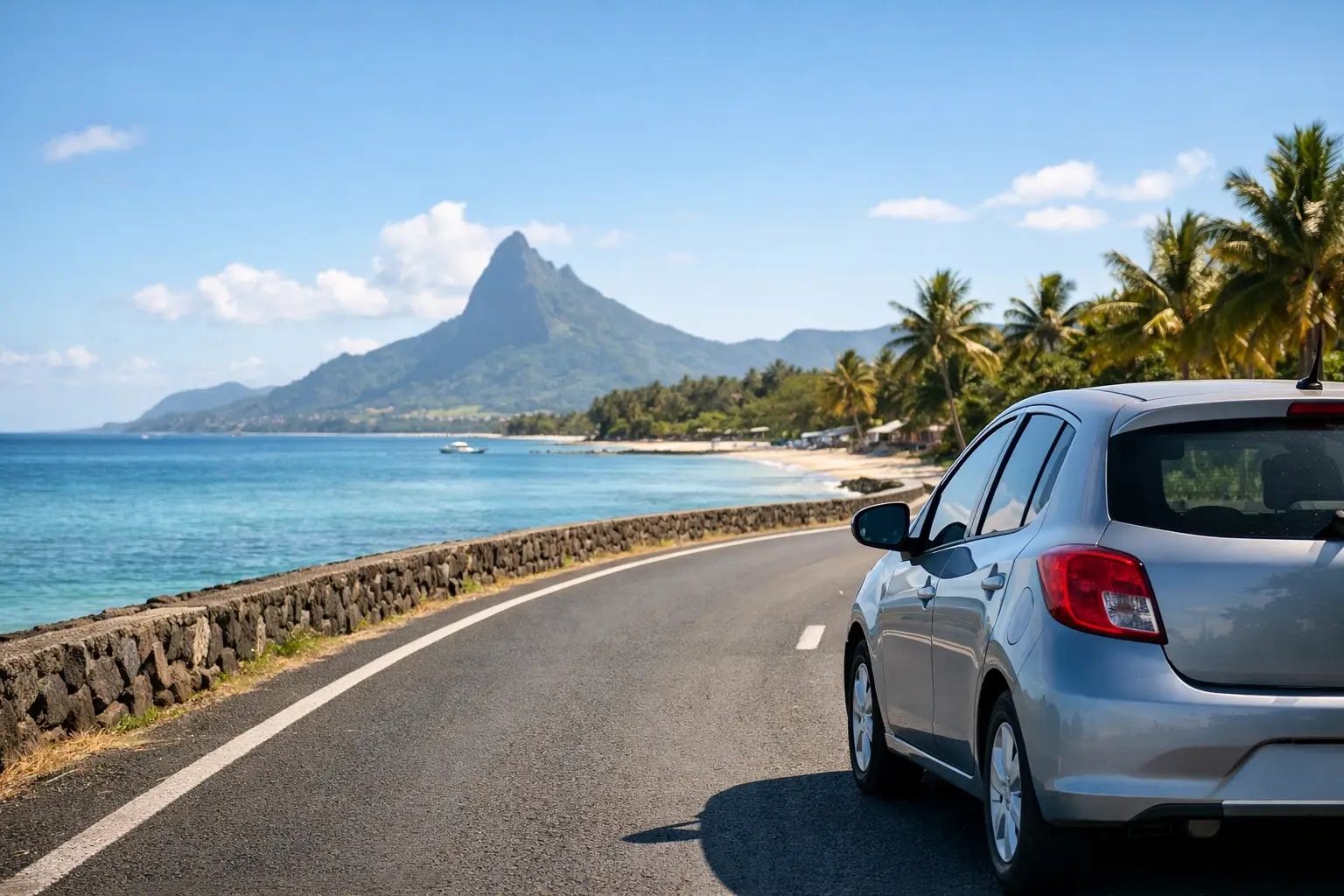
Landing in Mauritius and picking up your own car can be one of the smartest decisions of the trip. Beaches, viewpoints, villages, nature spots, and restaurants are spread across the island, and relying on taxis for every outing can quickly limit your flexibility. This Mauritius self drive guide is for travelers who want the freedom to move at their own pace without turning their holiday into a logistics exercise.
Self-driving in Mauritius is usually easier than many first-time visitors expect, but it does come with a few local habits and road conditions worth understanding before you set off. The island is compact, yet driving times can still stretch because of traffic, narrow roads in some areas, and the temptation to stop often when the views are this good. If your goal is a smooth holiday, a little planning makes a big difference.
Why a Mauritius self drive guide matters
Mauritius is not the kind of destination where one resort area gives you the full picture. The west coast has a different rhythm from the north, the east feels calmer and more spacious, and the south brings dramatic scenery that feels far removed from the busier beach hubs. A rental car lets you connect those contrasts in one trip.
That freedom is especially valuable for couples and families who do not want to structure every day around pickup times or fixed tour schedules. You can leave early for a quieter beach, stop for lunch where the view looks best, or change direction if the weather shifts. That said, self-driving works best when you are realistic about distance, daylight, and how much you want to fit into one day.
Is it easy to drive in Mauritius?
For most visitors, yes. Mauritius drives on the left-hand side of the road, which feels natural for some travelers and takes a little adjustment for others. Roads on main routes are generally manageable, signage is decent on major roads, and the island is small enough that you are rarely very far from your hotel or villa.
The challenge is not high-speed driving. It is staying alert in mixed road conditions. You may move from smooth dual carriageways to village roads with pedestrians, parked cars, buses stopping suddenly, and occasional tight turns. Roundabouts also require attention, particularly if you are arriving after a long flight and getting behind the wheel while tired.
If you are a cautious driver who is comfortable in unfamiliar places, Mauritius should feel very doable. If you strongly dislike adapting to local driving styles, you may prefer to mix a few self-drive days with private transport.
What to know before you collect your car
The best self-drive holidays start with the right expectations. Choose a vehicle size that suits the way you plan to travel, not just the number of passengers. A compact car is often easier for beach towns, supermarket stops, and tighter parking areas. A larger vehicle can be more comfortable for families, but it may feel less convenient on narrower roads.
Automatic cars are a good option if you are not used to driving on the left. They remove one layer of stress and let you focus on traffic flow and road position. If you are staying in more than one part of the island, think about luggage space too. That practical detail matters more on travel day than most people expect.
It also helps to set your first driving day up for success. If you arrive on a long-haul flight, avoid planning a complicated cross-island route immediately after pickup. A short transfer to your first accommodation or a lighter local drive can make the start of the holiday feel far more relaxed.
Road rules and local driving habits
A few basics go a long way. Seat belts matter, speed limits should be respected, and mobile phone use while driving should be avoided unless fully hands-free. More importantly, assume that local traffic can be unpredictable in busy areas. Drivers may brake suddenly, overtake when they see a gap, or slow without much warning near shops and bus stops.
In towns and villages, keep your speed down even when the road looks clear. Pedestrians often cross where it suits them, and scooters can appear quickly. Rural and coastal roads can feel very calm, but they still require attention because bends, uneven surfaces, and occasional stray animals are possible.
Night driving is where judgment matters most. It is certainly possible, but if you are unfamiliar with the route, daylight is easier and more enjoyable. Some roads are less well lit than visitors expect, and after a full beach day or excursion, fatigue can creep in.
The best way to plan your driving days
One of the most common mistakes in any Mauritius self drive guide is pretending the island can be covered effortlessly in one continuous loop. On a map, distances look short. In reality, traffic around certain towns, scenic stops, and beach breaks can stretch your day.
The better approach is to group each day by region. If you are staying in Flic en Flac, use one day for the west and southwest rather than trying to combine the far north with the south coast. If you are based in Grand Baie, keep your first outings focused on the north before committing to a longer inland or southern route.
This style of planning gives you room to enjoy places rather than simply arrive, take a photo, and rush on. It also leaves space for the unexpected, which is part of what makes Mauritius memorable. You might find a public beach that feels perfect for a slow afternoon or a roadside food stop that becomes one of the highlights of the trip.
Parking, fuel, and navigation
Parking is usually manageable at beaches, shopping areas, and many attractions, but it varies by location and time of day. Popular coastal areas can get busier on weekends and public holidays, especially where locals gather for beach time. Arriving earlier helps, and it also gives you the island at its best before the heat peaks.
Fuel stations are easy enough to find on main routes, but it is still wise not to let the tank run too low if you are planning a longer sightseeing day. Navigation apps are useful, though they are not perfect everywhere. A route that looks fastest on screen may take you through small local roads that are less comfortable for a first-time visitor. Sometimes the slightly longer main road is the better choice.
Before leaving for the day, save your destination and your accommodation location in your phone. That simple step can spare you unnecessary stress later, especially if your signal drops briefly in a more remote area.
Where self-driving works best in Mauritius
Self-driving is ideal for beach-hopping, scenic coastal routes, flexible lunch plans, and days where you want to combine nature with downtime. It works very well for travelers staying several nights in one area and exploring outward at their own pace.
The southwest is rewarding for drivers who enjoy changing landscapes, from open coastal views to greener inland roads near Chamarel. The north suits travelers who want easy access to beaches, shopping, and lively dining without waiting on transport. The east can be especially enjoyable if your idea of a good day includes quieter roads and a slower tempo.
What matters is matching the region to your travel style. Families often appreciate simple day plans with fewer long transfers. Couples may prefer scenic drives with spontaneous stops. Small groups usually get the most value from a car when everyone is aligned on pace and priorities.
When self-drive may not be the best option
Freedom is appealing, but it is not the right answer for every day of the trip. If you are planning a full-day outing that includes tastings, a special dinner, or a schedule packed with multiple stops and zero margin for delays, a driver can be the more relaxing option.
The same applies if you are nervous about driving on the left, arriving exhausted, or traveling with young children and wanting a lower-stress start. There is no rule that says your entire Mauritius holiday has to be one transport style. Many travelers get the best result by combining self-drive days with guided excursions or private transfers.
That balanced approach is often the smartest one. You keep the freedom where it adds value and avoid unnecessary effort where local coordination makes the day easier.
A few practical habits that make the trip smoother
Start earlier than you think you need to, especially if you are visiting popular beaches or planning scenic stops. Keep water in the car, along with sunscreen and a light cover, because island weather can shift from bright sun to passing showers and back again. Do not leave valuables visible when parked, even in areas that feel relaxed and tourist-friendly.
Most of all, leave room in your schedule. Mauritius rewards travelers who do not overbook every hour. The road between two points is often part of the experience, and when your holiday is built well, that flexibility feels easy rather than uncertain.
For travelers who want independence without losing peace of mind, self-driving can be one of the best ways to experience the island. With the right car, realistic day planning, and a bit of local awareness, the journey becomes part of the holiday instead of a complication. If you want that freedom with trusted support behind it, Discovering Mauritius can help make the practical side feel just as effortless as the views ahead.
[…] rental car suits confident drivers who want to move at their own pace. It gives you the freedom to stop at […]