

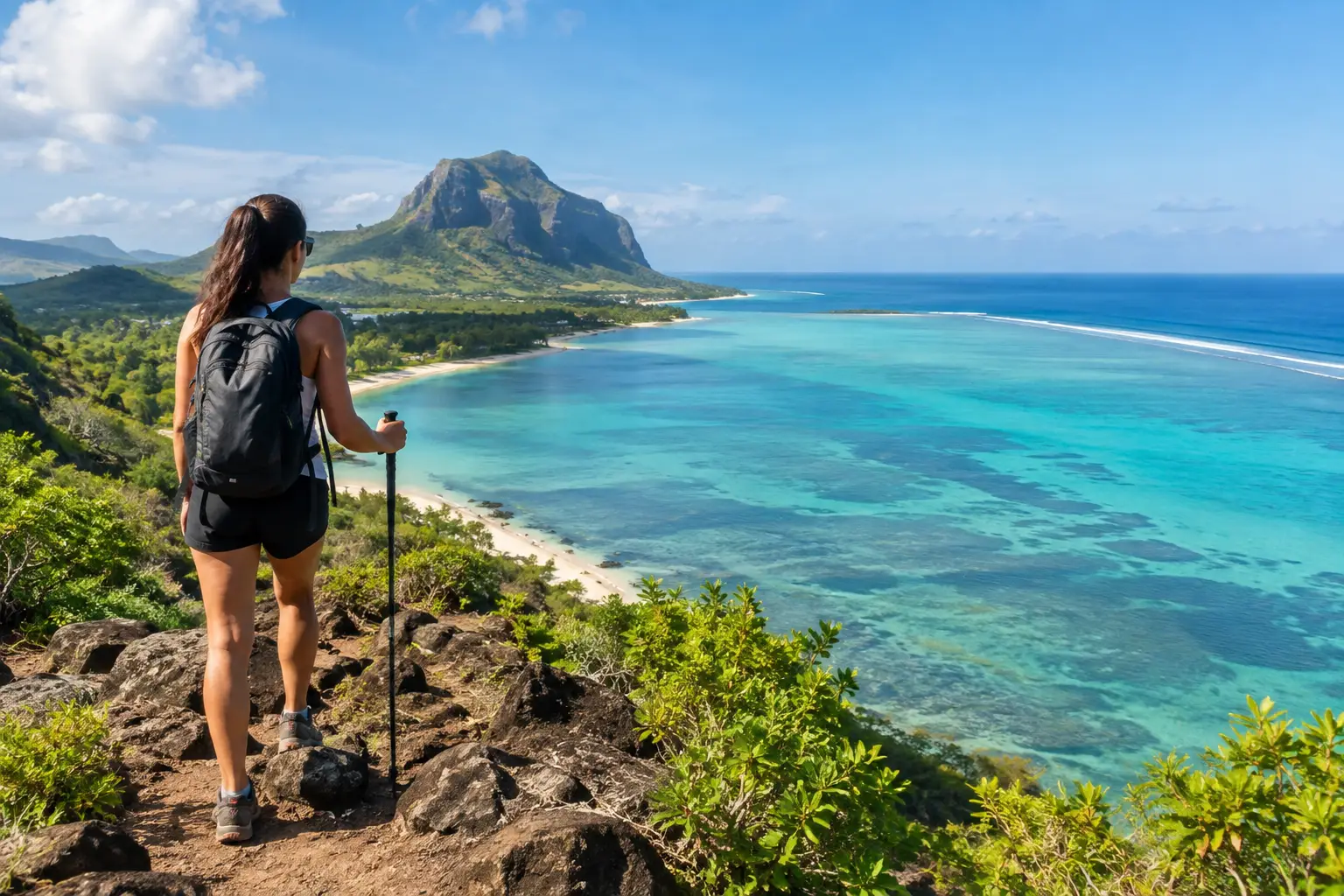
Le Morne is where Mauritius feels most dramatic: a steep, unmistakable mountain rising above a turquoise lagoon, with a long sandy shoreline at its feet. This Le Morne travel guide helps you plan the practical details that make the experience feel easy, whether you are traveling as a couple, with children, or with friends who want equal parts relaxation and adventure.
The village sits on the island’s southwest coast, a quieter and more open setting than the busier northern resort areas. Come for the views, of course, but allow time for the wind, the changing water colors, the mountain trails, and the deeply meaningful history of this place.
Why Le Morne Deserves Time on Your Itinerary
Le Morne Brabant is one of Mauritius’ defining landmarks. The mountain and surrounding cultural landscape are recognized for their connection to the history of enslaved people who sought refuge in its rugged slopes. It is a place to enjoy respectfully, not simply a backdrop for photographs. Learning a little of that history before your visit adds depth to every view of the peninsula.
At sea level, the atmosphere is wonderfully varied. The lagoon can look calm and glassy in the morning, while the trade winds often bring a lively energy later in the day. That combination makes Le Morne particularly appealing to travelers who do not want a vacation confined to a single pool or beach chair.
It is also well placed for exploring the southwest. Chamarel, the Black River area, Bel Ombre, and scenic coastal roads are all within reach, so you can stay in one beautiful base while seeing very different sides of Mauritius.
Getting to Le Morne Without the Stress
Le Morne is around the southwest corner of the island from the airport, so arranging your arrival transfer ahead of time is a smart start. After a long international flight, navigating an unfamiliar route, changing money, and handling luggage can take the shine off a first day in paradise. A private transfer gives you a direct, comfortable journey and lets your vacation begin the moment you leave the terminal.
A rental car is a good choice if you enjoy independent day trips and are confident driving on the left. It gives you freedom to stop at viewpoints, explore small villages, and set your own pace. The trade-off is that island roads can be narrow, signage is not always obvious, and you will want to avoid driving after a full day in the sun or an evening out.
For travelers who prefer not to drive, private transport works especially well in Le Morne. You can plan a flexible sightseeing day without worrying about parking, route planning, or choosing a designated driver. Discovering Mauritius can coordinate dependable transport and tailored outings, so your plans stay simple while still leaving room for spontaneous stops.
The Best Things to Do in Le Morne
Hike Le Morne Brabant With a Guide
The hike is the headline experience for active visitors. The first part follows a relatively manageable trail, but the upper section becomes steep, rocky, and exposed. It is not a casual flip-flop walk, and conditions can change quickly with heat, wind, or rain.
A local guide is strongly recommended, particularly if you want to continue to the summit section. Guides help with route finding and safety, and they bring context to a mountain with a powerful place in Mauritian history. Start early, wear closed shoes with grip, carry plenty of water, and do not underestimate the descent. The view over the reef and lagoon is extraordinary, but it is earned.
If your group includes young children, limited-mobility travelers, or anyone uneasy on steep terrain, choose a coastal viewpoint instead. You will still have magnificent mountain scenery without turning your vacation into an uncomfortable challenge.
Spend a Day by the Lagoon
Le Morne’s beach is spacious, scenic, and generally less crowded than many of the island’s better-known strips of sand. Conditions vary across the peninsula, so it helps to match your beach plan to the weather. On calmer days, the lagoon is ideal for swimming, floating, and simply taking in the mountain view. When the wind picks up, the sea becomes more energetic and water sports take center stage.
Bring reef-safe sunscreen, a hat, water, and footwear for walking over any rough or coral-strewn patches near the water. The tropical sun is intense even when there is a cooling breeze. Families should also keep an eye on changing currents and choose sheltered swimming areas when conditions are windy.
Try Kitesurfing or Watch the Action
Le Morne is internationally known for kitesurfing because of its steady winds and broad lagoon. Beginners should book instruction rather than attempt to learn independently. Good coaching makes a major difference, especially with wind direction, launch areas, and lagoon etiquette.
Not interested in getting on a board? Watching the colorful kites cross the water is entertainment in itself. A late afternoon beach walk can be one of the most memorable low-effort experiences in the area.
See the Southwest Beyond the Beach
Le Morne works best when you give it a few days rather than treating it as a quick stop. Pair a beach morning with an afternoon exploring the southwest’s forested roads, waterfalls, viewpoints, and rum country. A guided island tour is useful when you want local timing and insight without managing the day’s logistics yourself.
Keep expectations realistic about travel times. Mauritius looks compact on a map, but winding roads and frequent scenic stops mean a full-day outing is often more enjoyable than trying to squeeze several regions into one rushed afternoon.
When to Visit Le Morne
Le Morne is a year-round destination, but the right season depends on the kind of trip you want. The warmer months, roughly November through April, bring higher temperatures, humidity, and a greater chance of tropical showers. Rain often arrives in bursts, but severe weather can affect plans during cyclone season, so flexibility is wise.
From May through October, temperatures are generally milder and the southeast trade winds are more noticeable. This is a favorite period for kitesurfers and travelers who enjoy active days outdoors. The wind can make some beach days feel less still than visitors expect, however, particularly in the afternoon.
For a balanced itinerary, plan hikes and scenic excursions early in the day, then leave the breezier hours for lunch, spa time, a drive, or watching the water sports. If calm swimming is your top priority, ask locally about the best beach conditions during your stay rather than relying only on a seasonal forecast.
Where to Stay and Eat
Le Morne suits travelers looking for a peaceful, scenic base with quality resort comforts and easy access to nature. It is especially popular for romantic stays, anniversaries, and small groups who value space and views. If you want busy nightlife, frequent shopping, and a wide choice of walkable restaurants every evening, another part of the island may fit better. Le Morne is more about unwinding after sunset than going out late.
For dining, expect resort restaurants, relaxed beachside options, and opportunities to enjoy Creole-inspired Mauritian flavors. Fresh seafood, grilled fish, curries, tropical fruit, and local snacks are all worth seeking out. Reservations are sensible for special dinners, especially during peak travel periods or if you have dietary requirements.
Consider mixing a few easy meals near your accommodation with one planned dinner experience and a local lunch during a day trip. That approach gives you both convenience and a stronger taste of the island.
Practical Tips for a Smooth Le Morne Stay
Pack for sun, wind, and active time outside. Light layers are more useful than heavy clothing, while a light rain jacket can be welcome on mountain or waterfall excursions. Comfortable sandals are perfect for the beach, but proper walking shoes are essential if Le Morne Brabant is on your list.
Book your key plans before arrival if you are visiting during school holidays, festive periods, or peak European winter travel. This applies most to airport transport, guided hikes, water activities, and private island tours. Leave some open time, too. Le Morne is one of those places where an unplanned hour looking at the lagoon can become the highlight of the day.
Respect the landscape by taking rubbish with you, staying on marked trails, and avoiding coral damage in shallow water. Small choices protect the coast that makes this corner of Mauritius so special.
Give Le Morne at least two or three nights if your schedule allows. Wake early for the mountain, slow down by the lagoon, and let a trusted local team handle the moving parts so you can spend your energy on the moments you came to Mauritius to remember.