

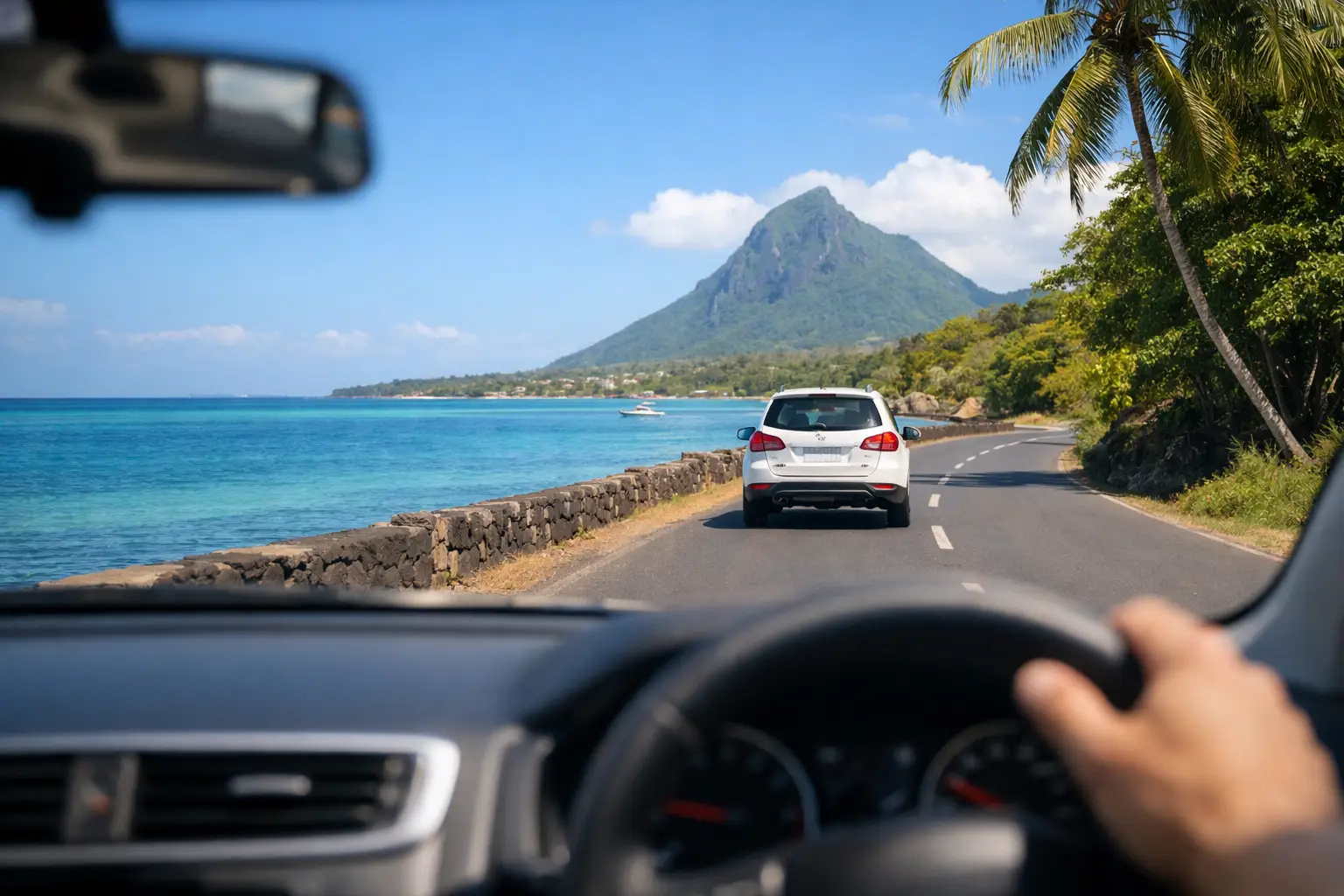
Mauritius looks small on a map, but the island rewards travelers who can move at their own pace. A sunrise at Belle Mare, lunch in Chamarel, and a late-afternoon swim in Flic en Flac are all possible in one day with thoughtful planning. So, can tourists drive in Mauritius? Yes, most visitors can rent and drive a car, provided they hold the right valid license and feel comfortable driving on the left.
For many couples, families, and independent travelers, a rental car creates the freedom to stop at beaches, viewpoints, villages, and restaurants that do not fit neatly into a fixed tour schedule. Still, driving here is not the best choice for every vacation. Roads can be narrow, traffic becomes busy around urban areas, and the island’s relaxed atmosphere should never be mistaken for a reason to rush.
Can Tourists Drive in Mauritius With a Foreign License?
Tourists are generally able to drive in Mauritius with a valid driving license issued in their home country. Your license must cover the category of vehicle you intend to rent, and it should remain valid for the full duration of your stay. Most rental providers will also expect the main driver to meet a minimum age requirement and to have held a license for a specified period.
Bring your original physical license, not only a photo or digital copy. An International Driving Permit can be a sensible extra document, particularly if your license is not in English or French, or if you would like an easy-to-understand translation for rental paperwork. Requirements can differ by rental company and may change, so confirm the documentation needed before arrival rather than relying on assumptions.
At collection, check that the rental agreement records every intended driver. A partner or friend who is not listed may not be covered to drive the car, even for a short stretch. This small detail matters if you are sharing long days out or planning to enjoy a meal with drinks.
The First Rule: Drive on the Left
Mauritius drives on the left, with right-hand-drive vehicles. For visitors from the UK, South Africa, Australia, and other left-driving countries, the adjustment is usually quick. For travelers used to driving on the right, the first hour behind the wheel requires real concentration.
The moments that catch people out are turns at intersections, entering roundabouts, and pulling away after a beach stop. Keep reminding yourself to stay left, especially when roads are quiet and there is no traffic ahead to follow. At roundabouts, traffic generally circulates clockwise, and you should give way to vehicles already in the roundabout.
Choose an automatic vehicle if you are not confident managing a manual transmission with your left hand. It lets you focus on road position, signs, and local traffic rather than gear changes. There is no prize for taking on an unfamiliar setup during your holiday.
What Driving in Mauritius Is Really Like
The main roads connecting popular coastal areas and central attractions are generally straightforward, but conditions change quickly once you leave them. Inland routes toward viewpoints, waterfalls, and nature areas can be winding, steep, or narrower than expected. Some village roads have limited shoulders, pedestrians close to the roadway, and parked cars that reduce the available space.
Traffic can be slow around Port Louis and other built-up areas, especially during weekday commuting periods. If your plan includes a morning excursion from the west or north toward the capital, allow more time than the map suggests. The same applies when returning to your hotel before dinner. Mauritius is made for an unhurried itinerary, not a tightly scheduled race between attractions.
Drive more cautiously after heavy rain. Water can collect on the road, visibility can drop, and rural lanes may feel very different from the dry, sunny routes you traveled earlier. Avoid treating the island like a road-trip destination where every unfamiliar lane must be explored after dark. Daylight driving is more comfortable, particularly on your first few days.
Road Rules and Habits Worth Knowing
Seat belts are essential for everyone in the vehicle, and children should travel with suitable child seating arrangements. If you need a child seat, request it in advance so your vehicle is ready when you arrive. Never assume one will be available at the last minute.
Speed limits are posted and must be respected, but safe driving is about more than the number on the sign. Reduce speed on bends, through villages, near schools, and anywhere pedestrians or cyclists are present. Local drivers may know a road well and move faster than feels comfortable to you. Let them pass safely rather than trying to match their pace.
Using a phone while driving is a poor risk to take, even when you are trying to find a beach club or hotel entrance. Set your route before moving off, keep your phone mounted or out of reach, and pull over safely if you need to change plans. Fuel stations are available around the island, but it is wise to refill before a full day in the southwest or a late return from a remote beach.
Choosing the Right Rental Car for Your Trip
A compact car is often the most practical option for a Mauritius holiday. It is easier to park, less intimidating on narrow roads, and perfectly suited to couples or small families with light luggage. Larger groups may value the extra room of an SUV or van, but choose size for your actual needs, not simply for appearance.
Before accepting the keys, take a few minutes to inspect the vehicle carefully. Photograph existing marks, check the tires, locate the spare wheel or repair kit, and make sure you understand the fuel policy. Ask how roadside assistance works and what to do in the event of a breakdown or accident. Clear answers at pickup make an unexpected situation far less stressful.
Insurance terms deserve the same attention. Check what is included, whether there is an excess, and what damage may be excluded. Beaches and mountain roads are part of the Mauritius experience, but the best holiday memories do not involve surprises at the rental desk.
When a Private Driver Is the Better Choice
Driving gives you flexibility, but a private driver gives you the freedom to enjoy the scenery without watching every junction. This option can be especially appealing for airport arrivals after a long flight, full-day sightseeing, evenings out, groups with mixed confidence levels, or travelers who simply want local guidance along the way.
A driver also makes sense if your itinerary includes tasting rum, visiting several attractions in one day, or traveling with young children who need a more relaxed pace. You can admire the road to Le Morne, spend longer at a viewpoint, and return to your accommodation without navigating unfamiliar routes in the dark.
Discovering Mauritius can help travelers arrange reliable rental cars and private transport as part of a wider holiday plan. The best choice is the one that matches your comfort level, itinerary, and the kind of vacation you want to have.
If you do drive, start slowly, plan lighter first days, and leave room for spontaneous stops. Mauritius is at its best when the journey feels as enjoyable as the destination.
[…] A rental car gives independent travelers the freedom to stop at viewpoints, visit beaches at their own pace, and explore places such as Chamarel or the south coast without following a fixed schedule. Reserve early if you need an automatic vehicle, extra luggage space, or a larger car for a group. Remember that Mauritius drives on the left, and some inland roads are narrow and winding. For some guests, combining a transfer on arrival with selected private tours is more relaxing than driving every day. […]
[…] for every itinerary, though. Families, travelers carrying beach equipment, anyone unfamiliar with left-side driving, and guests planning long cross-island trips may be better served by a car or organized transport. […]
[…] setting off, make sure you understand the license requirements, insurance coverage, helmet expectations, fuel policy, and emergency contact process. A trusted […]