

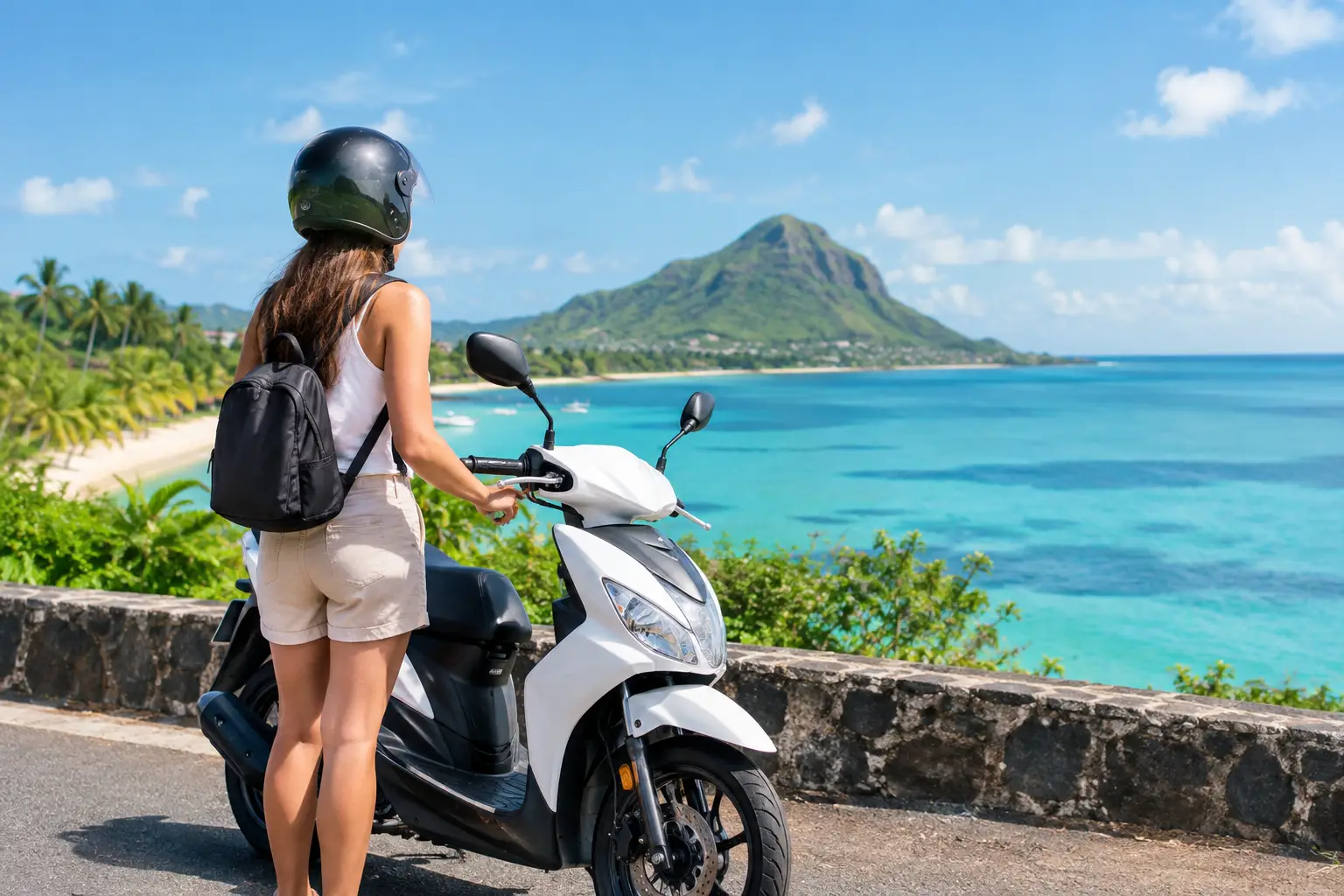
Mauritius looks made for two wheels: warm coastal roads, sugarcane fields, small fishing villages, and beach stops that are easy to miss from inside a vehicle. But knowing how to hire Mauritius scooters is about more than picking the first available bike. A little preparation helps you choose a suitable scooter, understand the road conditions, and enjoy the island without turning a relaxed day out into a travel problem.
For confident riders, a scooter can be a practical way to explore at your own pace. It is less ideal for every itinerary, though. Families, travelers carrying beach equipment, anyone unfamiliar with left-side driving, and guests planning long cross-island trips may be better served by a car or organized transport. The best choice is the one that makes your vacation feel easier.
How to Hire Mauritius Scooters Safely
Start by being honest about your riding experience. Mauritius drives on the left, and traffic can feel busy around Grand Baie, Port Louis, and other built-up areas. Roads may narrow quickly outside the main towns, while roundabouts, parked vehicles, pedestrians, and occasional uneven surfaces demand attention. If you have only ridden a scooter once or twice on quiet roads, this may not be the place to learn.
Before confirming a rental, ask what license is required for the engine size you intend to ride. Requirements can depend on the scooter category, your home-country license, and local regulations. Bring your original valid license, not only a phone photo, and check whether an international driving permit is recommended for your nationality. Rental terms can also set a minimum age or require prior riding experience.
Choose a provider that explains its rental agreement clearly. You should understand the security deposit, insurance coverage, excess amount, roadside support process, fuel policy, and what happens if the scooter is damaged or stolen. A cheap daily rate can look less attractive if the policy is vague or excludes the situations most likely to affect a visitor.
Do not accept a scooter in a rush. Take a few minutes to inspect it in daylight and photograph any existing marks, cracked panels, tire wear, or damage to mirrors. Test the brakes, lights, turn signals, horn, and seat lock. Make sure the helmet fits properly and fastens securely. If you are traveling as a couple, check that the passenger has secure footrests and is comfortable with the seat position.
Pick the Right Scooter for Your Plans
A small scooter can be excellent for short local rides between your hotel, cafés, beaches, and nearby attractions. It is easy to park and economical, particularly around resort areas such as Flic en Flac, Trou-aux-Biches, and Grand Baie. For this kind of trip, agility matters more than power.
If you plan to travel farther afield, consider whether the scooter has enough capacity for two adults, a small bag, and steeper inland roads. Routes toward Chamarel, Le Morne, or the central plateau can involve climbs, changing weather, and more time on the road. A scooter that feels comfortable for a 15-minute coastal ride may feel underpowered or tiring after several hours.
Storage is another practical detail. Most scooters have limited under-seat space, often enough for a small item but not beach bags, shopping, or luggage. Pack light, keep valuables out of sight, and never hang heavy bags from the handlebars. That affects steering and makes a quick stop more awkward than it needs to be.
Plan Routes for the Island, Not Just the Map
Mauritius is compact, but travel times are not always as short as distances suggest. A route that appears simple on a map can include congested town centers, winding sections, roadworks, or sudden rain. Build extra time into your day and avoid treating a scooter trip like a race between attractions.
For a first outing, use the scooter close to your accommodation. Get comfortable with the controls, practice entering and leaving quieter roads, and learn how the bike responds with a passenger. Then plan one main destination rather than attempting to circle the whole island. A beach morning, relaxed lunch, and scenic coastal return is often more memorable than a packed schedule.
Download navigation before you set off, but do not rely on your phone while moving. Use a proper mount only if it does not block your view of the road, and stop somewhere safe if you need to check directions. Keep the phone charged, carry water, and tell someone at your hotel where you expect to go if you are heading into less familiar areas.
Fuel stations are available around the island, but it is wise not to let the tank run low when you are away from the main tourist zones. Confirm which fuel the scooter takes and how much is in the tank at collection. Return it according to the agreed fuel level to avoid unnecessary surprises.
Drive Defensively in Mauritius
The most useful rule is simple: ride calmly and assume other road users may not see you immediately. Keep a safe following distance, especially when roads are wet. Avoid weaving through traffic, overtaking when visibility is limited, or squeezing past buses and trucks. Larger vehicles can create strong gusts, and their blind spots are real.
Wear a helmet for every ride, even for a quick trip to the store. Light, breathable clothing is comfortable in the tropical heat, but closed shoes offer much better protection and control than flip-flops. Sunglasses can help with glare, although they should not reduce your ability to see clearly in shade or late-afternoon light.
Rain changes the equation. Tropical showers can arrive fast, making painted road markings and smooth surfaces slippery. If rain becomes heavy, pull over somewhere safe and wait rather than pressing on. This is also a good reason to avoid planning a long scooter journey late in the day, when tiredness, darkness, and weather can combine.
Alcohol and scooter riding do not mix. Mauritius is a holiday destination, and a beachside drink can be tempting, but arrange another way back if you plan to drink. Your safety, your passenger, and everyone else on the road are worth more than the convenience of riding home.
Parking, Security, and Respectful Stops
Park only where you are allowed and where the scooter does not obstruct sidewalks, driveways, or access to businesses. Busy beach areas and town centers can have limited space, so patience helps. Use the steering lock whenever you leave the scooter, keep the key with you, and avoid leaving cameras, passports, wallets, or shopping bags in the storage compartment.
Mauritius rewards travelers who slow down, but it is also home to working communities, not just postcard views. Keep noise down near residential streets, do not ride onto beaches or private land, and ask before parking beside a small business or guesthouse. Courteous travel usually leads to warmer local interactions and a better day for everyone.
When a Scooter Is Not the Best Option
Scooters are not the automatic answer for every visitor. Heavy rain, strong winds, a large group, young children, mobility needs, or a full-day tour across several regions can make private transport or a rental car the more comfortable choice. A car also gives you secure space for towels, shopping, strollers, and luggage.
For travelers who want local insight without managing roads, directions, and parking, a planned excursion can turn the journey itself into part of the vacation. Discovering Mauritius can help visitors coordinate reliable transport and island experiences around the way they actually want to travel.
A scooter is at its best when it gives you freedom, not pressure. Choose it for the days when you want to follow the coast slowly, stop when a view catches your eye, and let Mauritius set the pace.