

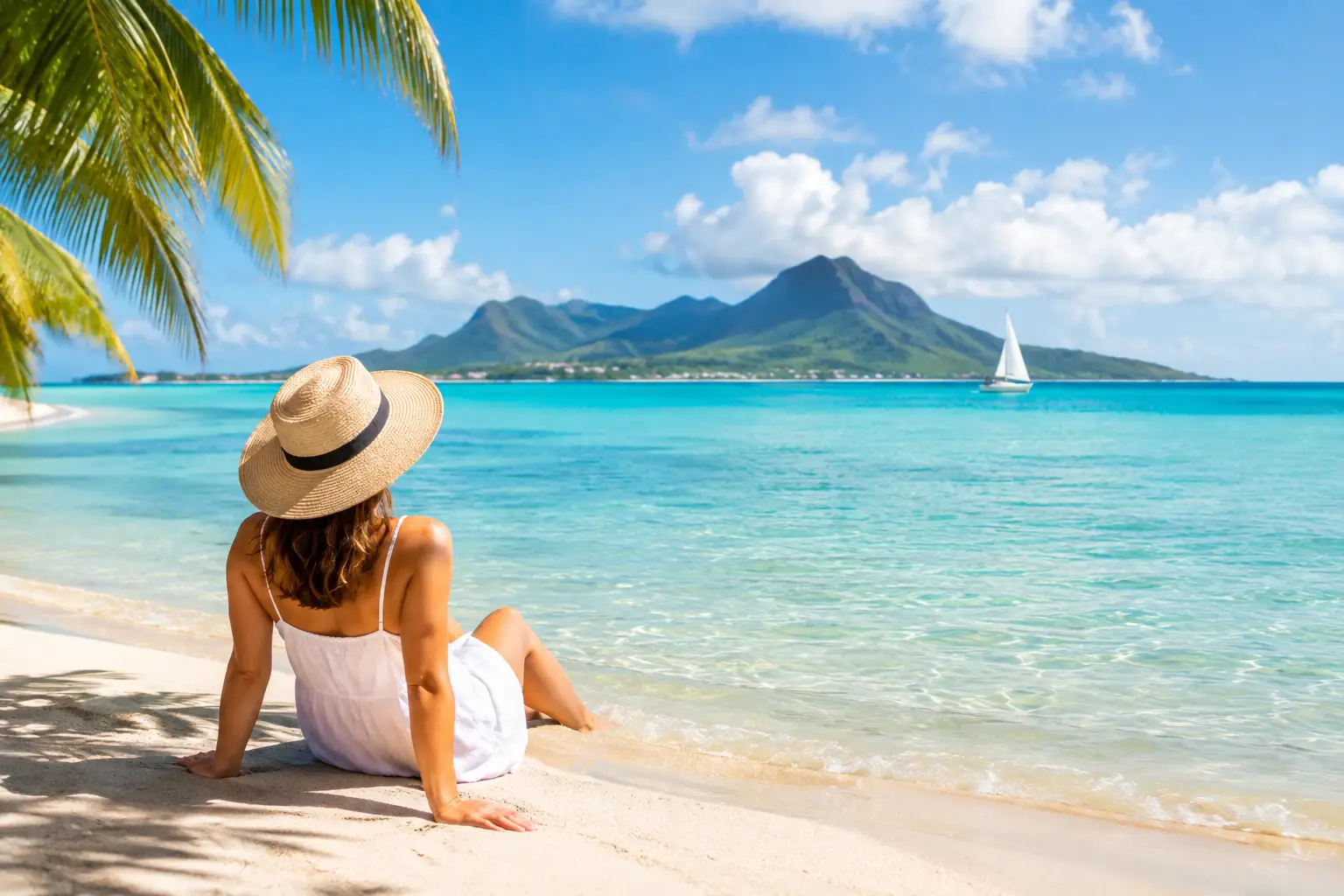
A sunny beach morning in Mauritius can turn into a brief afternoon shower, while another part of the island remains perfectly clear. That is part of its charm, but it also means Mauritius weather deserves a little planning before you book. Choose the right season and coast for your travel style, and you can spend less time adjusting plans and more time enjoying the lagoon, scenery, and easy island pace.
Mauritius has a tropical climate, with warm temperatures throughout the year. There is no single bad time to visit. The better question is what you want from your holiday: long swimming days, cooler hiking weather, calm water, lush landscapes, or a quieter stay with greater flexibility.
Mauritius weather at a glance
The island has two main seasons. Summer runs roughly from November through April. It is warmer, more humid, and greener, with short tropical showers that are often followed by sunshine. Winter, from May through October, is drier, cooler, and usually less humid, making it particularly comfortable for sightseeing and outdoor activities.
Daytime temperatures in the warmer months commonly sit in the upper 80s F along the coast. During winter, coastal afternoons are often in the mid to upper 70s F. The ocean stays inviting year-round, although it feels warmest from December through April.
Microclimates matter here. The central plateau and inland areas can be cooler and wetter than the coast, especially around Curepipe and the forested southwest. The east and south coasts are more exposed to trade winds during the cooler months. Meanwhile, the west and northwest, including Flic en Flac, Tamarin, and Grand Baie, are often warmer, drier, and more sheltered.
November to April: warm seas and tropical color
For travelers who picture a classic tropical escape – warm water, bright green hills, and long beach afternoons – Mauritius summer has a strong appeal. December through March is the hottest stretch, with higher humidity and a greater chance of rain. Showers can be heavy, but they are not necessarily all-day events.
This is a wonderful period for swimming, snorkeling, catamaran outings, and relaxing at beachfront resorts. The sea is at its warmest, and the island’s vegetation looks especially vibrant. Families traveling during school vacation periods and couples planning a festive-season escape often enjoy the lively atmosphere.
There is a trade-off. Summer rain can make a full-day hike or a scenic drive less predictable, and the humidity can feel intense at midday. It helps to plan outdoor excursions early, leave the afternoon flexible, and choose a private driver or rental car so you are not tied to a fixed schedule if conditions change.
Cyclone season officially falls within these months, most commonly between January and March. A direct cyclone impact is uncommon, but weather systems can bring wind, rain, and rougher seas. Reliable local coordination is especially valuable at this time. Boat trips and outdoor activities may be adjusted for safety, and having responsive transport arrangements gives you options rather than stress.
Best summer choices by coast
The west and northwest are practical choices for visitors seeking comparatively sunny, calm beach conditions. Grand Baie and Trou-aux-Biches are well suited to relaxed swimming, dining, and easy access to northern sights. Flic en Flac is another popular base, with a broad beach and convenient access to the west and central parts of the island.
The east coast, around Belle Mare and Trou d’Eau Douce, feels more open and serene. It is beautiful in summer, especially for travelers drawn to sunrise views and lagoon experiences. If wind picks up, a flexible itinerary can shift the day toward inland attractions, local dining, or a scenic drive.
May to October: cooler days, clearer touring
Many visitors consider May through October the most comfortable period for an active Mauritius vacation. Humidity drops, days are pleasantly warm, and the cooler air makes it easier to explore markets, waterfalls, botanical gardens, and viewpoints without feeling drained by the heat.
June, July, and August are the coolest months. They are far from cold by most travelers’ standards, but evenings can feel fresh, particularly in elevated areas. Pack a light layer for dinner, early excursions, and trips into the interior. The water remains suitable for swimming, though some guests prefer a heated pool or a sunny west-coast beach on breezier days.
This season is especially good for hiking around Le Morne and Chamarel, sightseeing in the southwest, and private island tours that combine beaches with cultural stops. The island is less humid, and road travel is generally more comfortable. It is also a rewarding time for travelers who prefer to be out exploring rather than spending every hour by the water.
The main consideration is wind. The southeast trade winds are more noticeable from June through August, and sometimes into September. The east and south can be breezier, while the west and north are usually more protected. If a wind-free beach day is a priority, stay flexible about which coast you visit on a particular day.
When is the best time for a honeymoon or family trip?
For a honeymoon, September through November and April through May offer an appealing balance of warm weather, attractive landscapes, and fewer extremes. These shoulder periods are ideal for couples who want beach time as well as private tours, sunset outings, and leisurely exploration.
For families, the best time depends on what makes travel easiest for your group. July and August bring comfortable temperatures for active days, though choosing a sheltered coast matters. December and early January offer wonderfully warm sea conditions, but holiday periods can be busier. Families with young children often appreciate arranging airport transfers, child-friendly sightseeing, and flexible day trips in advance so the vacation begins smoothly.
Rain does not have to ruin the day
Mauritian rain is often local and short-lived. A wet morning at your hotel does not mean the whole island is rainy. In fact, driving from one coast to another can make a remarkable difference in conditions. This is where local knowledge turns a weather change into a better day out.
If rain is forecast, consider a later start rather than canceling immediately. Many travelers use the morning for a relaxed breakfast or spa time, then head out when the skies clear. Inland waterfalls and lush areas can look particularly dramatic after rain, although trails may be slippery and should only be attempted with suitable guidance.
For sea activities, safety always comes first. Lagoon cruises, snorkeling trips, and island visits depend on wind and sea conditions as much as sunshine. A trusted operator will advise honestly, offer alternatives where possible, and avoid pushing ahead when conditions are not right.
What to pack for Mauritius weather
Light, breathable clothing is useful in every month, along with swimwear, a hat, sunglasses, and reef-safe sunscreen. Add a compact rain jacket between November and April, and bring a light sweater or wrap if you are traveling from May through October. Comfortable walking shoes are worthwhile for nature parks, uneven viewpoints, and waterfall visits.
Mosquito repellent is sensible in the warmer, wetter months, particularly for evening dining or stays near gardens and vegetation. If you plan to explore the island independently, keep water in the car and do not underestimate the sun, even on partly cloudy days.
Plan for the weather, then enjoy the island
The best Mauritius itinerary leaves room for the island’s natural rhythms. Schedule your must-do boat trip or beach day early in the stay when possible, then keep a second day open for a weather-friendly switch. Combine the breezier east with the sheltered west, and balance full-day adventures with time to simply enjoy your hotel and the beach.
At Discovering Mauritius, local planning can help match your accommodation area, transport, and excursions to the season you choose. A well-organized holiday does not require perfect weather every hour. It requires good options, dependable support, and enough freedom to follow the sunshine when it appears.
Mauritius rewards travelers who stay curious and flexible: pack for a passing shower, ask locally which coast is brightest that morning, and let the day lead you somewhere beautiful.