

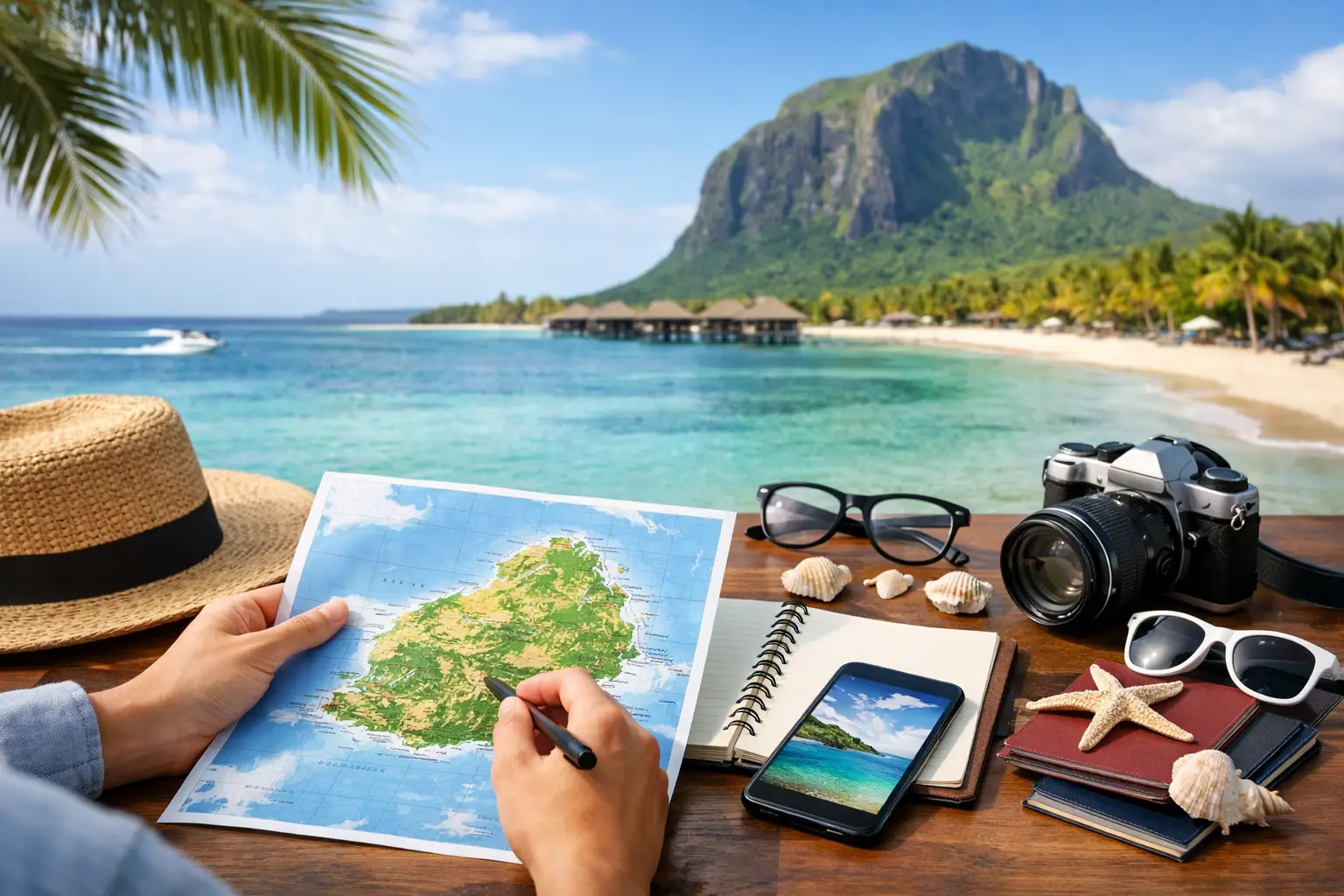
The difference between a good Mauritius vacation and a stressful one usually comes down to one thing: planning the island around how you actually want to travel. Mauritius looks easy on a map, but once you start comparing beaches, transfers, day trips, hotels, and driving times, it becomes clear why travelers ask how to plan a Mauritius trip without wasting time or money.
Mauritius rewards smart planning because the island offers more variety than many first-time visitors expect. You can spend your morning on a calm lagoon, your afternoon in the mountains, and your evening at a beachfront restaurant. That flexibility is part of the appeal, but it also means your trip works best when your accommodations, transport, and excursions fit together instead of competing with each other.
How to plan a Mauritius trip around the right season
One of the first decisions is timing, and this is where expectations matter. Mauritius is a year-round destination, but the experience changes depending on when you go. If you want warmer beach weather and a more tropical feel, the summer months from November to April appeal to many travelers. This period can bring heat, humidity, and occasional heavy rain, especially from January to March.
The cooler, drier months from May to October are often more comfortable for sightseeing, hiking, and active days out. If you dislike intense heat, this season may suit you better. The trade-off is that some coastal areas can feel windier, particularly on the east and south coasts. For couples focused on beach time, families wanting easier day trips, or travelers planning to be out and about most days, the best month depends less on a weather chart and more on your style of vacation.
If your dates are flexible, aim for shoulder periods when conditions are pleasant and the island feels a little less pressured than peak holiday weeks. If your dates are fixed, plan your activities around the season rather than trying to force the same itinerary in every month.
Decide what kind of Mauritius vacation you want
Before booking anything major, decide whether your trip is mainly about relaxation, sightseeing, adventure, or a balanced mix. This sounds obvious, but many travelers try to do everything and end up spending too much time in the car.
A couple planning a romantic escape may want a beautiful resort, a catamaran cruise, a private transfer, and one or two scenic day trips. A family may care more about calm beaches, shorter travel times, flexible transport, and activities that work for different ages. Independent travelers often want a rental car and room in the itinerary for spontaneous stops. Small groups may save time and reduce friction by arranging transport and tours together instead of booking everything separately.
Once you know your priority, decisions become easier. You can choose the best coast, the right number of nights, and whether to rent a car, book private transfers, or mix both.
Choose the best area to stay
Where you stay shapes your trip more than most travelers expect. Mauritius is not a destination where every coast delivers the same experience.
The north is lively, convenient, and popular for first-time visitors. It offers easy access to restaurants, beaches, shopping, and a good range of accommodations. The west is a strong choice for travelers who want sunsets, a relaxed atmosphere, and a practical base for mixing beach days with sightseeing. The east feels more tranquil and scenic, with beautiful resorts and long stretches of beach, but some travelers find it quieter than expected. The south is dramatic and less built-up, better for nature, scenery, and a slower pace than for classic resort-town energy.
If you only stay in one area, choose the coast that best matches your priorities. If you are staying longer, splitting your vacation between two regions can work very well. That said, moving hotels too often can eat into your holiday. For most travelers, one well-chosen base or two carefully selected stays is enough.
Set a realistic budget before you book
Mauritius can suit different budgets, but the total cost depends heavily on how you structure the trip. Flights are usually one of the biggest expenses for international visitors, so once those are fixed, pay close attention to the on-island costs that add up quickly: airport transfers, car rental, day tours, meals, and premium activities.
This is where convenience can either save you money or quietly cost you more. Booking every service separately may seem flexible, but it often creates overlaps, inconsistent service quality, and extra admin. On the other hand, bundling parts of the trip through a trusted local provider can simplify the whole experience and help you avoid paying for the same convenience twice.
It also helps to decide where to spend more and where to hold back. Some travelers choose a standout hotel and keep excursions selective. Others book a more moderate stay and put more of the budget toward private tours, boat trips, or upgraded transport. There is no single right approach, but your budget should reflect what will matter most once you are actually on the island.
Transport matters more than people think
If you are wondering how to plan a Mauritius trip efficiently, transport should be near the top of the list. The island is manageable, but you do not want to solve your transport day by day after arrival.
A rental car gives you freedom and often works well for confident drivers who want to explore beaches, viewpoints, and towns at their own pace. It is a practical option for independent travelers and families who like flexibility. The trade-off is that driving in an unfamiliar destination can feel tiring, especially after a long-haul flight or when you are trying to coordinate parking, navigation, and activity timings.
Private transfers and chauffeur-driven options are ideal if you want a smoother, more relaxed experience. They remove the guesswork from airport arrivals, hotel changes, and full-day outings. For many couples, groups, and first-time visitors, that peace of mind is worth it. A mixed approach often works best: arrange airport transfers and key tours in advance, then add a rental car for part of the stay if you want independent exploration.
Build an itinerary with breathing room
Mauritius is best enjoyed when your days feel full but not rushed. A common mistake is stacking too many excursions back to back. The island has enough to do, but it is still a beach destination, and part of the pleasure is having time to enjoy where you are.
For a one-week trip, choose two or three major outing days and leave space for slower mornings or unplanned beach time. For 10 to 14 days, you can comfortably mix scenic tours, water activities, cultural stops, and resort downtime. Try grouping experiences by region so you are not crossing the island unnecessarily.
A practical itinerary might include one south or southwest sightseeing day, one sea-based excursion such as a cruise or island trip, one inland nature or adventure day, and several lighter days built around your local area. That balance usually feels better than trying to tick off every attraction.
Book the essentials early, then stay flexible
Some parts of your trip should be arranged well in advance, especially if you are traveling during busy periods. Flights, accommodations, airport transfers, and any must-do experiences should be handled early. Popular hotels and well-run excursions do fill up, and leaving everything late can limit your options.
At the same time, not every hour needs to be scheduled. Leave room to adjust for weather, energy levels, and local recommendations. The strongest trips usually combine structure with flexibility.
This is also where working with a local specialist can make a real difference. Instead of juggling separate bookings, confirmations, and transport gaps, you can organize the key moving parts through one experienced team. Discovering Mauritius, for example, helps travelers bring transport, tours, rentals, and holiday planning into one coordinated plan, which makes arrival and day-to-day travel far easier.
Don’t overlook the small details
Travelers often focus on beaches and tours and forget the details that shape the first and last days of the trip. Think about your arrival time, whether you need early transfer support, how far your hotel is from the airport, and whether your departure day allows for any final activities. Check what your accommodation includes, especially if you are comparing breakfast-only, half-board, or more independent stay options.
It is also smart to think about pace. Mauritius is not a trip you need to over-engineer, but it does reward thoughtful choices. The right hotel in the wrong location, or the right excursion with the wrong transport setup, can make a good plan feel awkward.
The best Mauritius vacations feel easy from the moment you land. If your flights, stay, transport, and experiences are working together, you get more of what you came for – beautiful beaches, memorable days out, and the confidence that your holiday is being handled properly.