

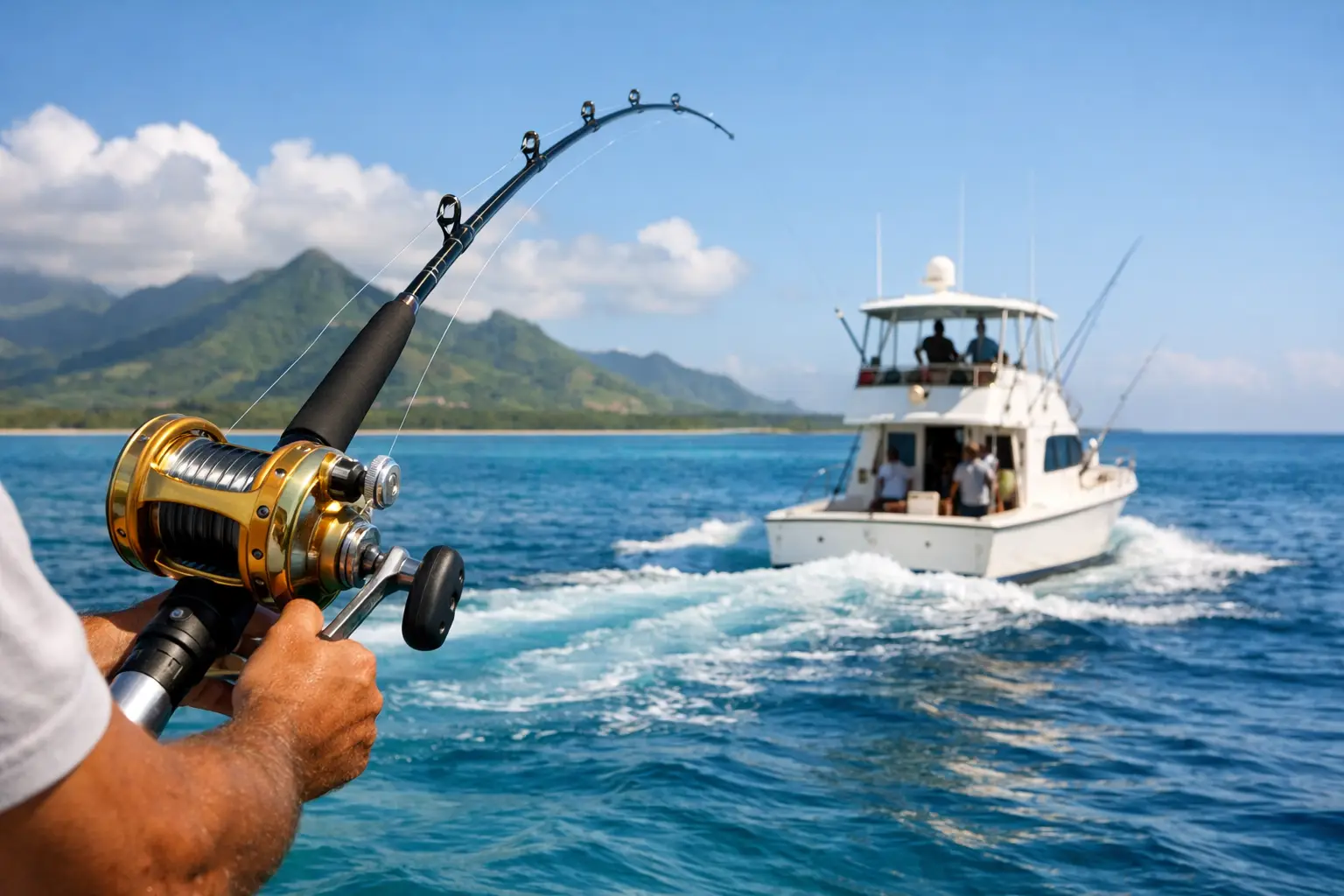
A calm sea at sunrise, the first pull on the line, and a full morning beyond the reef can become one of the defining memories of a Mauritius vacation. But before you book Mauritius fishing charter trips, it pays to match the experience to your group, your location, and the kind of day you actually want on the water.
Mauritius offers excellent offshore fishing conditions, yet not every charter is the same. Some guests want the excitement of trolling for large pelagic fish; others prefer a relaxed private outing with family, snorkeling stops, and time to enjoy the coastline. A little local planning helps you choose with confidence and keeps your vacation running smoothly.
Choose the Fishing Trip That Fits Your Vacation
The right charter starts with a simple question: are you traveling to fish, or would you like fishing to be one memorable part of your island holiday? Serious anglers may favor a longer offshore trip with an early start and a crew focused on technique, sea conditions, and target species. Couples, families, and first-time anglers often enjoy a private half-day experience that leaves room for lunch, beach time, or another activity later in the day.
A shared charter can suit travelers who enjoy meeting others and are comfortable with a less private schedule. A private boat gives your group more flexibility, whether that means adjusting the pace, bringing children, or combining the outing with a scenic coastal experience where conditions allow.
Be honest about your group’s comfort level. Offshore waters can be choppy, especially when the wind rises. A full-day deep-sea charter is rewarding for enthusiastic anglers, but it may not be the best fit for a young family or anyone prone to motion sickness. In that case, a shorter morning trip is usually a smarter choice.
What You Can Expect Offshore
Mauritius is known for big-game fishing, with waters that may produce species such as marlin, tuna, dorado, wahoo, and sailfish depending on the time of year and conditions. These are wild fish in open ocean, so no responsible operator should promise a catch. The value of a good charter is the crew’s local knowledge, well-maintained equipment, and ability to put you in the best available conditions.
Most deep-sea trips involve trolling outside the reef, where crews work lures and watch for changes in current, bird activity, and water color. For guests, there can be long peaceful stretches followed by intense action. That unpredictability is part of the appeal. If your main goal is guaranteed family entertainment rather than sport fishing, discuss that openly before confirming the trip.
Pick the Right Coast and Departure Point
Where you stay in Mauritius matters when planning a fishing day. Long cross-island drives before an early boat departure can take away from the experience, particularly if children are involved or you have a full itinerary planned.
The north and west are convenient for many visitors staying around Grand Baie, Trou-aux-Biches, Mont Choisy, Flic En Flac, Albion, and nearby resorts. These areas offer practical access to the water and can work well for visitors who want to combine a charter with other west or north coast plans. Guests staying in Belle Mare or Trou d’Eau Douce may prefer an east coast arrangement to reduce travel time, while those based around Le Morne, Bel Ombre, St Felix, or Chamarel should consider the most sensible departure point for their day.
The best coast is not simply the closest one. Wind direction, swell, and the captain’s assessment of current conditions should guide the final plan. Flexibility is valuable in Mauritius: a slight change in departure time or harbor may lead to a more comfortable, safer outing.
When to Go Fishing in Mauritius
Fishing is possible throughout the year, but the species, weather patterns, and sea state change with the seasons. The warmer months, generally from November through April, are often associated with big-game fishing and warm tropical conditions. It is also the period when summer heat, humidity, rain showers, and occasional cyclonic weather can affect plans.
From May through October, the weather is often cooler and drier, though trade winds can create more movement on some coasts. Many travelers enjoy these months for the comfortable temperatures and clear holiday days, but the best exact departure window still depends on the forecast.
For this reason, avoid placing your charter on the final day of your trip if fishing is a priority. Schedule it earlier in your vacation and leave a backup day where possible. If weather requires a change, you will have a much better chance of going out without disrupting airport transfers, hotel check-out, or other prepaid activities.
Morning Is Usually the Best Starting Point
Early departures are common for a reason. Winds are often lighter in the morning, temperatures are cooler, and the boat can reach offshore grounds before the day becomes busier. You also return with plenty of time to relax afterward.
A morning trip is especially useful for families and first-time anglers. Everyone boards fresh, sea conditions may be gentler, and you avoid spending the hottest part of the afternoon far offshore. If you would rather sleep in, ask whether a later departure genuinely suits the intended trip rather than choosing one only for convenience.
Questions to Ask Before You Confirm
A trusted local charter should be happy to explain what is included and how the day will run. You do not need to be a fishing expert, but you should know what you are booking. Ask whether the boat is private or shared, how long you will be at sea, how many people can fish at one time, and whether children are welcome.
Also clarify the departure marina, transfer arrangements, departure time, and what happens if the captain decides weather conditions are unsuitable. Ask what equipment is provided and whether water, refreshments, sun protection, or food should be brought along. If you have a particular interest in catch-and-release practices or want to understand how a catch is handled, raise it before the day of departure.
Four practical details deserve special attention:
- Confirm whether hotel transfers are arranged or whether you need to reach the marina independently.
- Tell the planner about young children, mobility needs, pregnancy, or anyone who is worried about seasickness.
- Ask what clothing and footwear are appropriate, then bring a hat, sunglasses, sunscreen, and a light layer for the early morning breeze.
- Keep your day after the charter flexible, since return times can shift slightly with sea conditions and fishing activity.
These questions are not about making the experience complicated. They are how you protect a day that should feel easy once you step aboard.
Plan Fishing Around the Rest of Your Island Stay
A fishing charter works best when it is part of a well-paced Mauritius itinerary. Avoid booking it immediately after a late international arrival, especially if jet lag is likely. An early offshore start requires energy, and a tired group is less likely to enjoy the ride out.
If you are organizing several experiences, place your boat trip between slower days. For example, enjoy a beach day or a relaxed evening before departure, then leave the afternoon after fishing open for a poolside rest, spa time, or an unhurried meal. This creates the kind of vacation rhythm that feels like paradise rather than a checklist.
For travelers coordinating accommodations, airport transport, car rental, sightseeing, and activities, local support can make a real difference. Discovering Mauritius can help organize the moving parts of your stay so your fishing departure, transport, and other plans work together instead of competing for time.
A Better Charter Is About More Than the Catch
Photos of a trophy fish are exciting, but the best Mauritius fishing charters offer more than a single moment at the end of a line. They give you a different view of the island, from the open Indian Ocean to the distant green peaks onshore. They also put you in the hands of people who read the sea every day.
Choose a crew and departure plan that suit your group, listen to local weather advice, and give yourself enough time in the itinerary to stay flexible. Then let the morning unfold at sea – with anticipation, fresh air, and the possibility of a story you will still be telling long after your Mauritius vacation ends.