

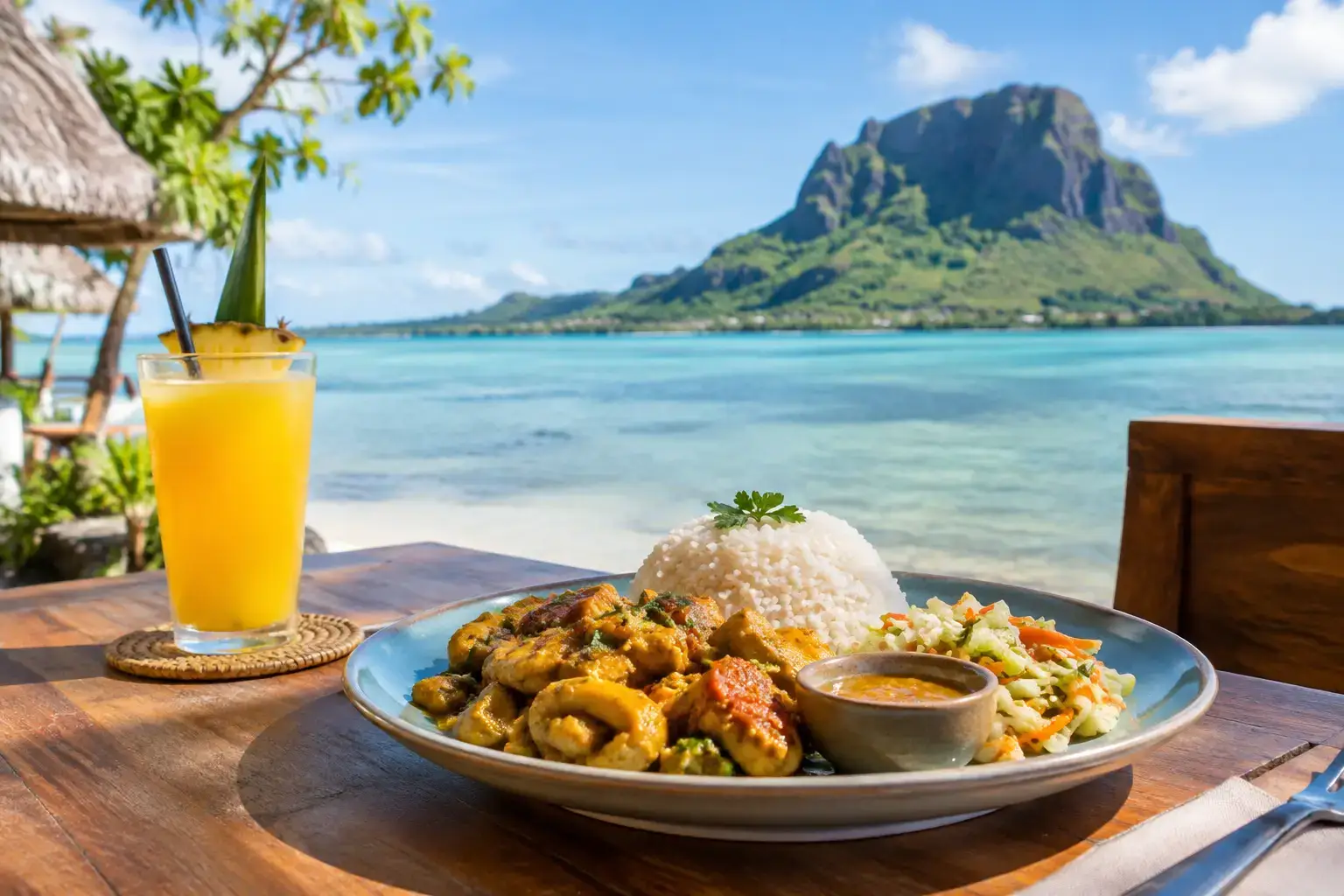
A great Mauritius food tour guide does not begin with a restaurant reservation. It begins at a market counter, with the scent of fried dholl puri in the air, a queue of locals ordering lunch, and a vendor who knows exactly how much chili you can handle. Food is one of the island’s clearest introductions to its people, shaped by Indian, Creole, Chinese, French, and African influences over generations.
For visitors, the challenge is not finding something delicious. It is deciding where to go, what to try, and how to fit the best stops into a holiday already filled with beaches, boat trips, and sightseeing. A well-planned food-focused day gives you local flavor without spending hours navigating unfamiliar roads or settling for the first tourist menu you see.
What Makes Mauritian Food Worth Seeking Out
Mauritian cooking is generous, fragrant, and full of contrast. A small snack can be crisp, spicy, tangy, and comforting all at once. Street food is often the fastest route to everyday island flavor, while family-run restaurants and table d’hote experiences offer slower, more substantial meals.
Indian heritage appears in flatbreads, curries, chutneys, and fried snacks. Creole cooking brings rich tomato sauces, seafood, rougaille, and dishes built around fresh herbs and chili. Chinese-Mauritian favorites such as mine frit and boulettes are part of daily life, not a separate culinary category reserved for special occasions. French influence is present in baking, sauces, and the island’s love of a good dessert.
The result is not food that fits neatly into one label. A curry might arrive with rice, lentils, pickles, and a bright chutney. A simple sandwich might be filled with spicy vegetables. Even a cup of tea tells a local story when it comes from the island’s tea-growing region.
Mauritius Food Tour Guide: The Stops That Matter
The best food day balances a few focused experiences rather than trying to taste everything at once. Markets, street stalls, scenic inland stops, and a relaxed evening meal each bring something different.
Start with a market breakfast or midmorning snack
A local market is ideal for the first stop, especially if you want to see what Mauritians actually buy and eat. Look for dholl puri, the island’s beloved thin yellow split-pea flatbread, commonly served with bean curry, chutney, and pickles. It is filling, inexpensive, and best eaten fresh.
Gato pima, small fried chili cakes made with split peas, are another classic choice. They have a gentle heat rather than an overwhelming burn, although recipes vary. You may also find samosas, savory pastries, fresh fruit, and tropical juices. If you are unsure what to order, ask for a mild option first. Chili can be served separately, which lets everyone at the table enjoy the meal at their own comfort level.
Markets can be busy and wonderfully informal. Go with an open mind, keep a little flexibility in the schedule, and do not expect every vendor to operate in English. A local guide or driver can make the experience more relaxed, particularly for families and first-time visitors.
Make time for a traditional lunch
For lunch, choose a place known for Mauritian home-style cooking rather than a menu designed to please every palate. Fish vindaye is a memorable option, typically prepared with mustard, turmeric, garlic, and vinegar. Rougaille, a Creole tomato-based sauce, may be served with fish, sausage, or other proteins alongside rice and lentils.
Seafood is an obvious choice on an island, but freshness and preparation matter more than choosing the most elaborate dish. Grilled fish with a Creole sauce can be just as satisfying as a large seafood platter. Travelers who do not eat seafood have plenty of alternatives, including vegetable curries, lentil dishes, noodle plates, and Indian-influenced vegetarian meals.
It depends on your group. Couples may prefer a leisurely lunch with a scenic view, while families often benefit from a casual stop where children can try familiar rice, grilled chicken, or noodles alongside something new. Let your planner know about allergies, vegetarian needs, halal preferences, or very young eaters before the day is arranged. Mauritius is welcoming, but the best special-diet experience comes from advance notice rather than last-minute guessing.
Add tea, rum, or a sweet island treat
A food tour does not need to be entirely savory. Inland routes can pair naturally with a tea stop, especially around the south and central parts of the island. A tea experience gives you a calmer break between attractions and a chance to learn why tea remains part of Mauritius’ agricultural identity.
Rum tastings can also suit adult travelers who want to understand local sugarcane traditions. Treat this as a tasting stop, not the centerpiece of a packed driving day. If you are sampling rum, arrange private transport or a dedicated driver so nobody has to take responsibility for the road afterward.
For something sweeter, ask about local fruit, coconut treats, gâteau patate, or desserts made with banana and cassava. These are often more memorable than an imported-style dessert because they reflect what grows and cooks well on the island.
Finish where the atmosphere feels right
Evening is the right time to slow down. In Grand Baie or Flic En Flac, you can combine dinner with a lively coastal atmosphere. In the south or around Le Morne, the appeal may be a quieter meal after a day of dramatic scenery. Neither approach is better. It comes down to whether you want energy and choice or a more peaceful finish.
Choose one signature dinner dish instead of ordering too much. Octopus curry, grilled catch of the day, chicken curry, or a Creole plate can make a satisfying close to the day. Save room for alouda, a chilled sweet drink often made with milk, basil seeds, and flavored syrup, if you have not tried it earlier.
How to Plan a Food-Focused Day Without the Stress
Mauritius looks compact on a map, but travel times can change with traffic, mountain roads, weather, and the number of stops you want to make. The smartest approach is to build your food experiences around an existing route. For example, a day visiting Chamarel and the southwest can include a tea or rum stop and a Creole lunch, while the north can work well for market snacks and a relaxed dinner by the coast.
Avoid planning a major meal immediately before a catamaran trip, deep-sea activity, or a long winding drive. A lighter market snack works better in those situations. Likewise, do not schedule five tasting stops before dinner. The goal is to taste with curiosity, not to leave uncomfortable and unable to enjoy the rest of the evening.
Private transport adds real value on a food day because it keeps the itinerary flexible. You can linger when a meal is exceptional, skip a stop if the group is full, and travel safely after a tasting. It also means the person navigating is not missing the experience.
Small Details That Improve the Experience
Bring cash for market vendors and smaller stalls, even when larger restaurants accept cards. Carry drinking water, but leave room for fresh juices and local drinks. If you have a sensitive stomach, begin with cooked foods served hot and build confidence from there. Freshly prepared street food with a steady local crowd is often a reassuring sign.
Do not confuse spicy with flavorful. Mauritian food has plenty of seasoning beyond heat, and most vendors can guide you toward mild or medium choices. Be specific if you have a serious allergy. Asking whether a dish contains peanuts, shellfish, dairy, or egg is more useful than simply asking whether it is safe.
For a smoother holiday, Discovering Mauritius can help coordinate trusted transport and tailor a day around the island areas you are already visiting. That leaves you free to focus on the good part: choosing between one more dholl puri or saving space for dessert.
Leave the strict checklist at home. The best food memories in Mauritius usually come from the unplanned extra stop, the vendor recommendation, or the dish you almost did not order.