

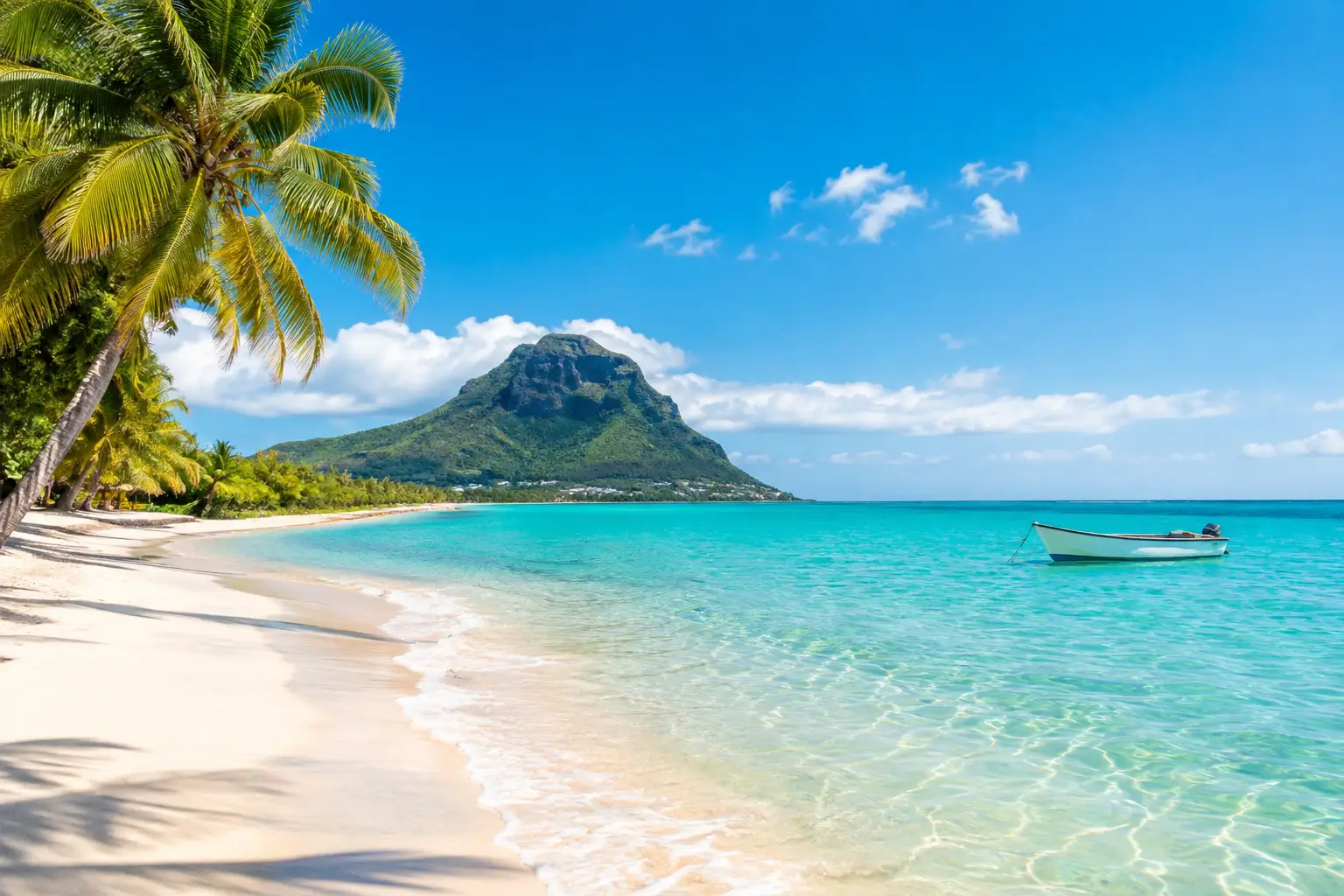
Mauritius can feel like two different islands depending on when you arrive: one day calls for a calm swim and long lunch by the lagoon, while another brings green mountain trails, trade winds, and cooler evenings. This Mauritius travel seasons guide helps you choose dates around the holiday you actually want, whether that means beach time, watersports, sightseeing, hiking, or a relaxed family escape.
The island is warm year-round, but there is no single best month for every traveler. Mauritius has a tropical summer from November through April and a drier, cooler winter from May through October. Weather also varies by coast, so a well-planned stay can make a real difference to your comfort.
Mauritius Travel Seasons Guide: The Big Picture
Summer is warmer, more humid, and greener. It brings the hottest sea temperatures, dramatic tropical scenery, and occasional heavy showers. Winter is cooler, drier, and often breezier, particularly along the east and south coasts. It is a popular period for outdoor touring, hiking, and travelers who prefer lower humidity.
Rainfall in Mauritius rarely means constant rain across the whole island. A shower may pass quickly, while another region stays bright. The central plateau and mountain areas are usually cooler and wetter than the coast. This is one reason local planning matters: choosing the right activities and transport route for the day can turn an uncertain forecast into a great outing.
November to April: Tropical Summer
From November, temperatures begin to rise and the island takes on its lush summer look. December through March are generally the hottest and most humid months, with daytime temperatures often ideal for swimming, snorkeling, and enjoying hotel pools. The lagoon feels especially inviting, and warm evenings suit couples looking for sunset dinners or relaxed coastal walks.
This period does come with trade-offs. Short, intense rain showers are more likely, particularly in January and February, and humidity can feel strong during midday sightseeing. Tropical cyclones are possible between January and March, although a direct impact is not an everyday event. Hotels, transport providers, and local operators follow official weather updates closely when conditions require changes.
For travelers who can be flexible, summer is rewarding. Start tours early, keep the middle of the day light, and leave room in the itinerary to switch a mountain excursion for a cultural visit, a restaurant stop, or a gentler coastal experience if rain develops.
May to October: Cooler, Drier Winter
Mauritian winter is mild rather than cold. From May through October, coastal daytime temperatures remain comfortable for beach days, while evenings may call for a light layer. Humidity drops, skies are often clearer, and the weather is particularly pleasant for exploring Chamarel, Black River Gorges, local markets, botanical gardens, and scenic viewpoints.
June, July, and August are the coolest months. They are excellent for travelers who dislike tropical heat, active couples, and families planning full-day sightseeing. The sea is still swimmable, though it may feel cooler than in summer. Wind can be noticeable on the east and south, especially around Belle Mare and Le Morne, while the sheltered west and north often feel calmer.
September and October are standout months for many visitors. Days grow warmer, humidity is usually still manageable, and the island has not yet entered its wetter summer pattern. If you want a balanced mix of beach relaxation and touring, these months are hard to beat.
The Best Time for Your Type of Mauritius Vacation
Rather than choosing solely by a weather chart, match your dates to your priorities. Mauritius is compact enough to offer very different experiences within one vacation, but each season favors certain plans.
For beach time and swimming
November through April delivers the warmest ocean and the most tropical beach atmosphere. December can be especially appealing for a festive-season escape, while March and April often offer warm conditions after the peak holiday rush. Expect occasional showers and plan outdoor activities with flexibility.
For a drier beach vacation, October is an excellent alternative. The water is warming, sunshine is generous, and the island is usually less humid than in the height of summer.
For hiking and nature
May through October is generally the better window for walking trails and exploring inland landscapes. Cooler temperatures make a meaningful difference on hikes, especially in Black River Gorges and around Chamarel. Morning departures remain the smart choice, since cloud can gather over higher ground at any time of year.
Nature lovers should not rule out summer entirely. Waterfalls and vegetation can be at their most impressive after rain. The compromise is that conditions can be muddier, warmer, and less predictable.
For watersports
The answer depends on the activity. The windiest months, typically June through August, appeal to experienced kiteboarders and windsurfers, particularly on exposed southern and eastern shores. Le Morne is well known for breezier conditions, but beginners should always choose sessions based on current conditions and professional guidance.
For relaxed snorkeling, glass-bottom boat trips, and calm lagoon swimming, seek sheltered areas and plan around the daily forecast. The north and west can be more comfortable when the east and south are windy. Sea conditions matter more than the calendar on a particular day.
For families
School vacation periods can be lively, so booking accommodation, airport transfers, and preferred excursions ahead is wise. April, October, and the milder months of May and June often suit families well: the days are comfortable, the sea remains enjoyable, and long days out feel less tiring for younger children.
Traveling with children in the summer months is still very manageable. Simply build in pool breaks, shade, and a slower rhythm. Private transport is especially useful for families because it avoids waiting around in the heat and makes it easier to adjust plans when a shower rolls through.
Crowds, School Breaks, and Planning Ahead
Mauritius receives visitors throughout the year, but demand increases around Christmas and New Year, European school holidays, Easter, and the northern hemisphere summer vacation. These dates can offer a wonderful atmosphere, yet popular accommodations, rental cars, and full-day tours may have limited availability.
If you prefer a quieter feel, consider May, June, September, or early November outside major holiday weeks. You will still find plenty to do, with more freedom to shape your days around your own pace.
For a smoother arrival, organize airport transport before you fly. Mauritius is easy to enjoy independently, but distances, changing weather, and unfamiliar roads can make first-day logistics more complicated than expected. A planned transfer or rental arrangement lets the vacation start as soon as you land.
How to Choose the Right Coast
Mauritius weather is not identical everywhere. The west coast, including Flic en Flac, is often favored in winter because it is generally more sheltered from the southeast trade winds. The north around Grand Baie and Trou aux Biches is also popular for its beaches, dining, and easy access to excursions.
The east, including Belle Mare and Trou d’Eau Douce, offers beautiful sunrise views and a quieter resort feel, but it can be windier in winter. The south and southwest reward travelers with dramatic landscapes, Le Morne views, and a more rugged character. They are excellent choices when your itinerary includes nature, scenic drives, and adventure, though wind conditions deserve attention.
A multi-area itinerary is often the best solution. Spend part of the trip near the beach you picture most, then add a day or two for inland attractions and a different coastline. Discovering Mauritius can help coordinate transport, activities, and a schedule that works with the season rather than against it.
What to Pack in Every Season
Light, breathable clothing works year-round, but bring a light sweater or wrap for winter evenings and air-conditioned restaurants. In summer, reef-safe sun protection, a hat, and a reusable water bottle are essential. A compact rain jacket is useful in any month, particularly if you plan mountain viewpoints or waterfall visits.
Shoes matter more than many travelers expect. Flip-flops are perfect for the beach, but closed walking shoes make sightseeing, uneven paths, and nature excursions far more comfortable. If you are visiting in the cooler, windier season, add a windbreaker for boat trips and exposed coastal areas.
The right Mauritius vacation date is the one that matches your travel style, not a promise of perfect weather. Choose warmer months for a classic tropical swim-and-sun escape, or choose the drier season for cooler touring days and active island adventures. With a flexible plan and trusted local support, every season can deliver the Mauritius you came to experience.