

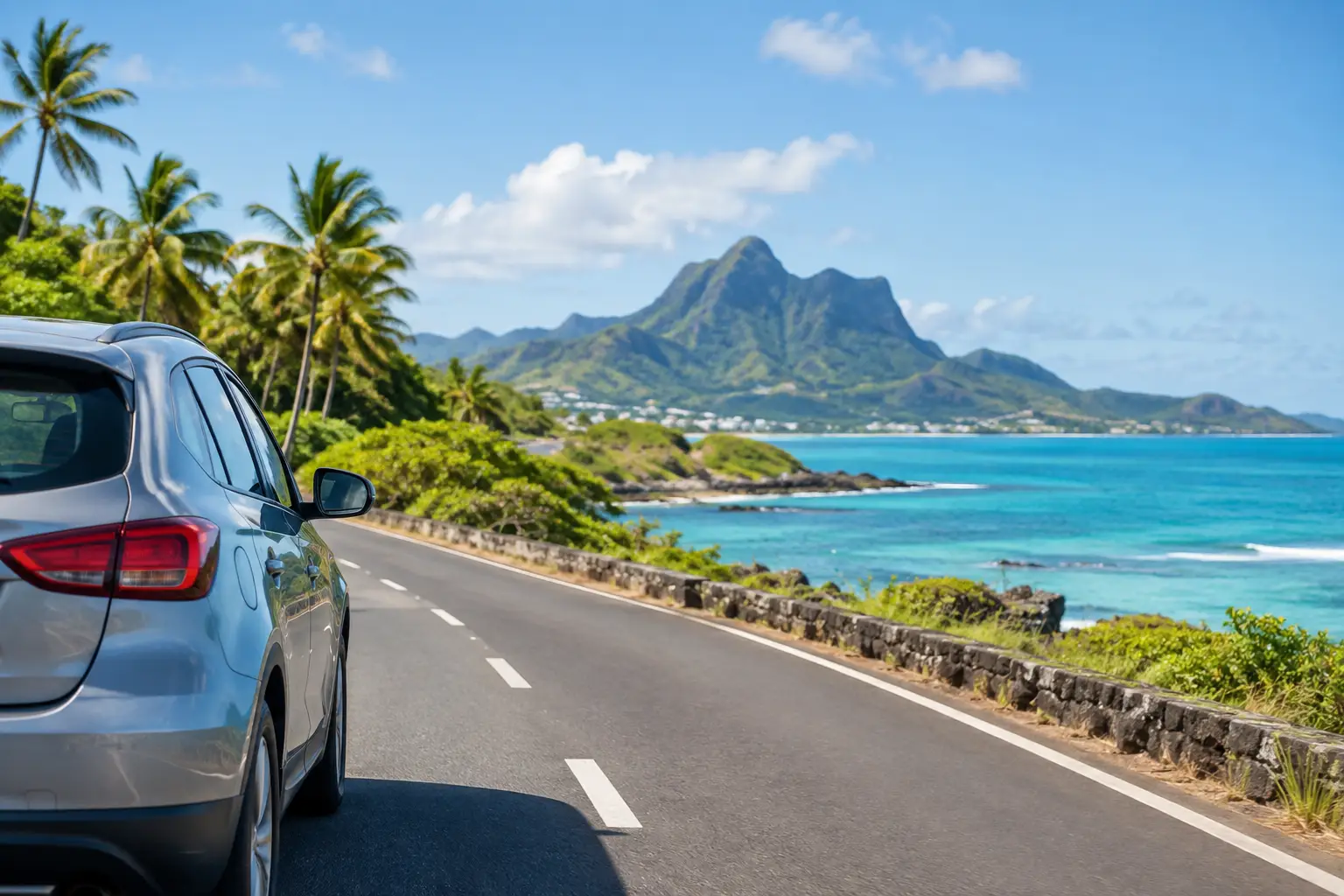
A rental car can turn a Mauritius vacation into something more personal: a sunrise at Belle Mare, a slow lunch in Chamarel, or a beach stop that was never on the original plan. But the island’s roads require a little adjustment, especially for visitors used to driving on the right. Knowing the Mauritius driving rules before you collect your keys means you can enjoy that freedom with more confidence and less stress.
Mauritius is compact, but it is not a place to rush. Main highways are straightforward, while coastal roads, village streets, and routes through the central highlands can be narrow, busy, and full of surprises. Give yourself extra time, keep your plans flexible, and let the journey be part of your holiday.
Mauritius Driving Rules Every Visitor Should Know
Drive on the left
Mauritius drives on the left-hand side of the road. The steering wheel is on the right, and passing is generally done on the right. This is the rule that takes the most concentration during the first day or two, particularly when leaving a parking area, turning at an intersection, or joining a road with little traffic.
A simple habit helps: after every turn, remind yourself to stay left. Do this before pulling away from your hotel, a restaurant, or a beach parking area. If you are arriving after a long international flight, consider booking airport transport for your first transfer and collecting your rental car after you have rested.
Roundabouts run clockwise
Roundabouts are common across the island, particularly near larger towns and busy junctions. Traffic moves clockwise. Slow down on approach, check traffic already circulating, and give way as required before entering. Use your indicators clearly when exiting, even if the road seems quiet.
Do not assume every driver will signal early or hold exactly the same position in the lane. Leave room, avoid sudden moves, and take an extra moment to read road signs. It is always better to miss an exit and circle again than to cut across traffic.
Follow posted speed limits, not your itinerary
Speed limits are displayed in kilometers per hour, not miles per hour. Limits vary by road and can change quickly as you pass from a main route into a village, school area, or residential neighborhood. Lower limits are common in built-up areas, while the motorway allows higher speeds where signs permit.
The practical rule is simple: watch for signs and slow down well before entering towns. A road may look open, yet pedestrians, buses, scooters, dogs, and vehicles turning into driveways can appear quickly. Speed cameras and enforcement are used, so a relaxed pace is also the sensible choice.
Seat belts, child safety, and phones matter
Seat belts should be worn by everyone in the vehicle. If you are traveling with children, arrange suitable child seating when reserving your car rather than assuming it will be available at collection. This is particularly worthwhile for families planning longer drives between resorts, beaches, and attractions.
Using a handheld phone while driving is not worth the risk. Set your route before departure, use a hands-free option where legal and practical, or ask a passenger to manage navigation. Pull over safely if you need to check a message, change a destination, or make a call.
Licenses, Rental Requirements, and Documents
Visitors can generally drive using a valid license from their home country, provided it is current and readable. If your license is not in English or French, or if you prefer extra reassurance, an International Driving Permit is a sensible document to carry alongside it. Rental requirements can vary by vehicle category and driver age, so check the terms before confirming your booking.
Keep your driver’s license, rental agreement, and any required vehicle documents accessible but secure. Before leaving the pickup point, take a few minutes to understand the controls. Check the lights, windshield wipers, fuel type, spare tire or repair kit, and emergency contact process. A quick walk-around with photos of the car can also prevent confusion later.
If you are sharing driving, make sure every planned driver is listed on the rental agreement. Swapping drivers casually may create an unnecessary problem if there is an accident or breakdown.
What Island Roads Are Really Like
Mauritius offers a mix of well-maintained motorways, lively town roads, coastal stretches, and winding inland routes. The drive from the airport toward the north or west is usually more direct than the scenic roads around the south and southwest. For a day exploring Le Morne, Bel Ombre, or Chamarel, the views are exceptional, but the roads call for patience.
Many local roads have limited shoulders. In rural areas, sugar cane can reduce sightlines around bends, and drainage ditches may sit close to the edge of the pavement. Avoid stopping on narrow roads simply to take photos. Use designated viewpoints or safe parking spaces instead.
Buses stop frequently and may pull out again with limited warning. Motorcycles and scooters can move through gaps in traffic, while pedestrians may cross outside marked crossings. Give larger vehicles room, check mirrors often, and do not treat a green light or an open stretch of road as a reason to accelerate hard.
Night driving and wet-weather driving
Driving after dark can be more demanding than daytime driving. Some roads have limited lighting, and familiar hazards are harder to see, including cyclists, pedestrians, potholes, and animals near the roadside. If you are unfamiliar with the route, plan to arrive before sunset where possible.
Tropical rain can be intense and sudden, especially in the central plateau and summer months. Reduce speed, increase the distance between your car and the vehicle ahead, and avoid driving through standing water when you cannot judge its depth. If conditions become difficult, wait somewhere safe rather than pushing on for the sake of a dinner reservation or excursion time.
Parking Without Spoiling the Day
Parking is usually easiest at your accommodation, larger shopping areas, and established attractions. Beach parking can be limited on popular weekends and public holidays, so arrive earlier if you have a specific spot in mind. In busy areas such as Grand Baie or Flic En Flac, use marked spaces where available and pay close attention to signs and road markings.
Never block an entrance, driveway, bus stop, or narrow lane. A car that feels neatly out of the way can still prevent a bus, delivery vehicle, or local resident from passing. Do not leave valuables visible inside the vehicle, even for a short swim or café stop. Store bags, electronics, and passports out of sight before you arrive, not after parking.
A Safer Way to Plan Self-Drive Days
The best self-drive itinerary is not the one with the most pins on a map. It is the one that leaves time for detours, parking, beach traffic, and a proper meal. One region per day is often enough. Pair the west coast with a nearby inland stop, or dedicate a day to the east rather than trying to cross the island several times.
Before setting off, check your fuel level, map route, weather, and expected arrival time. Fuel stations are readily available in developed areas, but it is still wise not to let the tank run low before heading into less populated parts of the island. Let your hotel or travel coordinator know if you are planning a long day in remote areas.
For a smooth start, remember these practical essentials:
- Keep left and pass on the right.
- Use kilometers per hour and obey every posted limit.
- Wear seat belts and arrange child seats in advance.
- Give roundabouts, buses, pedestrians, and scooters plenty of space.
- Avoid handheld phone use and never drive after drinking alcohol.
- Slow down in rain, at night, and on narrow rural roads.
A car rental gives you the freedom to see Mauritius beyond the resort, but private transport can be the better choice on days when you want to relax, enjoy a tasting, or simply take in the scenery. Discovering Mauritius can help you choose the transport option that fits your plans, whether that means a trusted rental car for independent exploring or a comfortable driver-led day out.
Drive calmly, allow more time than your map suggests, and you will find that the island’s roads lead to some of its most memorable moments.