

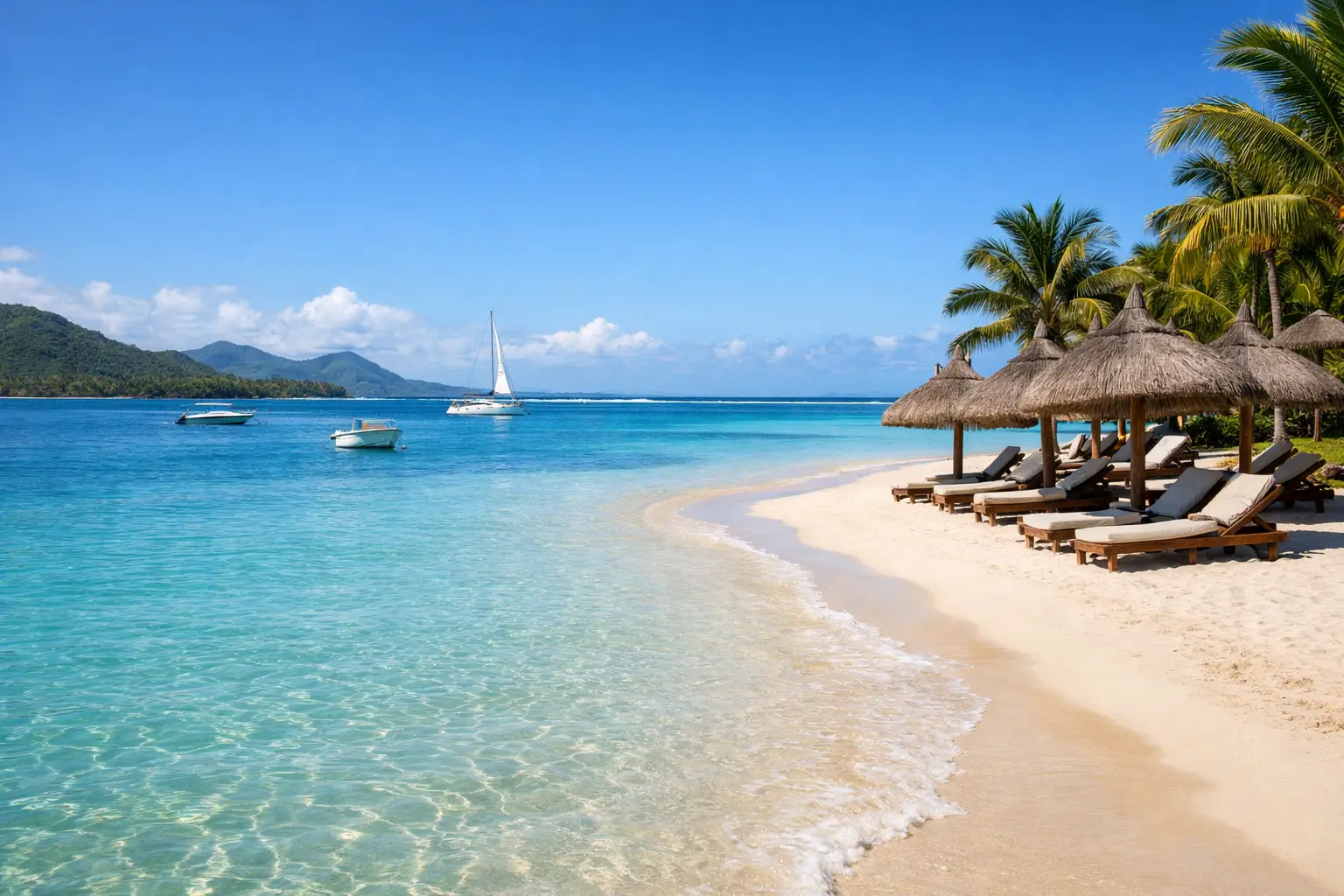
If your idea of a perfect beach day involves easy swimming, floating in clear water, and not wrestling with waves, you are right to ask which Mauritius coast has calmer beaches. The short answer is that the west and north coasts are usually the safest bet for calmer lagoon conditions, while the east and south tend to feel windier and more exposed depending on the season.
That said, Mauritius is not a one-answer island. Beach conditions change with reef protection, trade winds, tide, and even the time of year. A beach that looks postcard-perfect on a map can feel very different once you arrive. If you want a holiday that feels effortless from the first swim, it helps to understand how the coastline really behaves.
Which Mauritius coast has calmer beaches most often?
In general, the west coast is the calmest and most consistent choice for relaxed swimming. Areas such as Flic en Flac and around the sheltered lagoons on the western side often enjoy gentler water, especially during the drier months. The reef helps protect the lagoon, and the west is less exposed to the stronger southeast trade winds that can stir up the sea elsewhere.
The north coast is also a strong option if you want calm beaches. Places like Trou aux Biches and Mont Choisy are popular for exactly this reason. The water is often clear, shallow, and easy for families, couples, and travelers who simply want to spend long hours in the sea without worrying about rough surf.
The east coast can be beautiful beyond words, with bright lagoons and long stretches of sand, but it is typically windier. That breeze is part of its appeal for some travelers, especially if they enjoy a fresher, more active beach atmosphere. For others, especially those prioritizing very calm swimming every day, the east can be less predictable.
The south coast is the least known for calm beaches. It is wilder, more dramatic, and in parts less protected by reef. That makes it excellent for scenery and a more rugged island feel, but not always the first pick for travelers focused on gentle lagoon swimming.
Why some beaches feel calmer than others
Mauritius is ringed in many places by coral reef, and that reef acts like a natural barrier. Where the lagoon is well protected, the sea inside can feel almost pool-like on the right day. Where the reef is more open, or where the coast faces stronger wind, the water becomes choppier.
Wind is one of the biggest factors. The southeast trade winds affect the island differently depending on exposure. This is why the east and southeast often feel breezier, while the west can stay more sheltered and settled. If you are traveling during the Mauritian winter months, roughly May to October, that contrast can feel even more noticeable.
Tides matter too. At low tide, some lagoons become very shallow, and while the water may still look calm, swimming can be less comfortable because of rocks, coral patches, or limited depth. At high tide, the same beach may feel far more enjoyable.
So when travelers ask which Mauritius coast has calmer beaches, the best answer is not just a compass direction. It is the combination of coast, season, and the exact beach you choose.
Best coast for families and easy swimming
If you are traveling with children or you simply want a beach where getting in and out of the water feels easy, the west and north are the strongest choices.
On the west coast, Flic en Flac stands out for its long protected lagoon and accessible shoreline. It works well for travelers who want a good balance between beach time and convenience, with services, transport, and excursions within easy reach. The sea is often friendly for casual swimmers, which is exactly what many families want after a long flight.
In the north, Trou aux Biches is one of the most reassuring choices for calm water and soft beach conditions. Mont Choisy also tends to suit travelers who want a broad sandy bay with easy swimming. These northern beaches are especially attractive if you want a relaxed holiday base with calm mornings and straightforward beach days.
For couples, both coasts work well. The west often feels more tranquil at sunset, while the north can offer a livelier resort atmosphere. Neither is automatically better. It depends on whether you want quiet ease or calm water with a bit more movement around you.
The east coast – beautiful, but more exposed
The east coast deserves a fair answer because it is one of the island’s most striking areas. Belle Mare and Trou d’Eau Douce are loved for their color, space, and classic tropical scenery. When conditions are right, the lagoons can be absolutely stunning.
Still, if your top priority is the calmest possible beach every day, the east comes with more variability. Wind can pick up more often, and that affects how sheltered the water feels. Some travelers love that freshness and do not mind a livelier sea. Others expect a flat, quiet lagoon and are disappointed if they choose the east without understanding its exposure.
This does not mean you should avoid it. It means you should match the coast to your holiday style. If you want a softer, more dependable swimming experience, west or north remains the safer recommendation. If you want scenery, bright lagoons, and do not mind changing beach conditions, the east can still be a wonderful base.
The south coast – better for scenery than calm lagoons
The south is where Mauritius shows a more untamed side. Around places such as Le Morne and Bel Ombre, the landscapes are spectacular, and the atmosphere feels more dramatic than sheltered. That is part of the charm.
But this coast is not usually the first answer for calm, easy beaches. Some areas are affected by stronger wind and more open ocean movement. Le Morne, for example, is famous for beauty and water sports appeal, but not because it offers the island’s gentlest lagoon everywhere along the shore.
If you are building your trip around postcard swims, floating, and family-friendly beach time, you will likely feel more comfortable choosing the west or north as your main base and visiting the south for day trips, views, and a change of scenery.
When the season changes the answer
The time of year can shift your experience more than many travelers expect. During the cooler, drier months, the east and south can feel breezier, while the west stays notably more protected. This is one reason the west coast is such a reliable recommendation for travelers who want calm beaches without overthinking daily conditions.
In the warmer summer months, many beaches around the island can feel more inviting for swimming, but local weather still matters. A sheltered lagoon on the west or north will often remain the safer choice for consistency.
This is why planning matters. If you are visiting Mauritius for a short stay and want to avoid guesswork, choosing the right coast from the start makes your holiday smoother. It saves you from spending the first two days wondering whether you picked the wrong side of the island.
So where should you stay?
If your main question is strictly which Mauritius coast has calmer beaches, stay on the west coast first, and consider the north as a close second. The west is especially reassuring if you want calm water plus a well-rounded holiday base. The north is excellent if you want gentle beaches with a lively, easygoing resort feel.
The east is a strong choice for travelers who love bright lagoon scenery and do not mind a little more wind. The south is best for travelers who value dramatic landscapes and a less sheltered coastal experience.
For many visitors, the smartest approach is not to chase every coast at once. Choose the coast that fits your beach priorities, then explore the rest through planned outings. That way, your hotel base works for the holiday you actually want, not just the photos you saved months ago.
At Discovering Mauritius, this is exactly the kind of local guidance that makes a trip feel easy instead of uncertain. A calmer beach is not just about geography. It is about choosing the right area for your season, your travel style, and the kind of days you want to have once you arrive.
If calm water is high on your list, trust the west first, keep the north close behind, and let the rest of the island become part of your adventure rather than your compromise.