

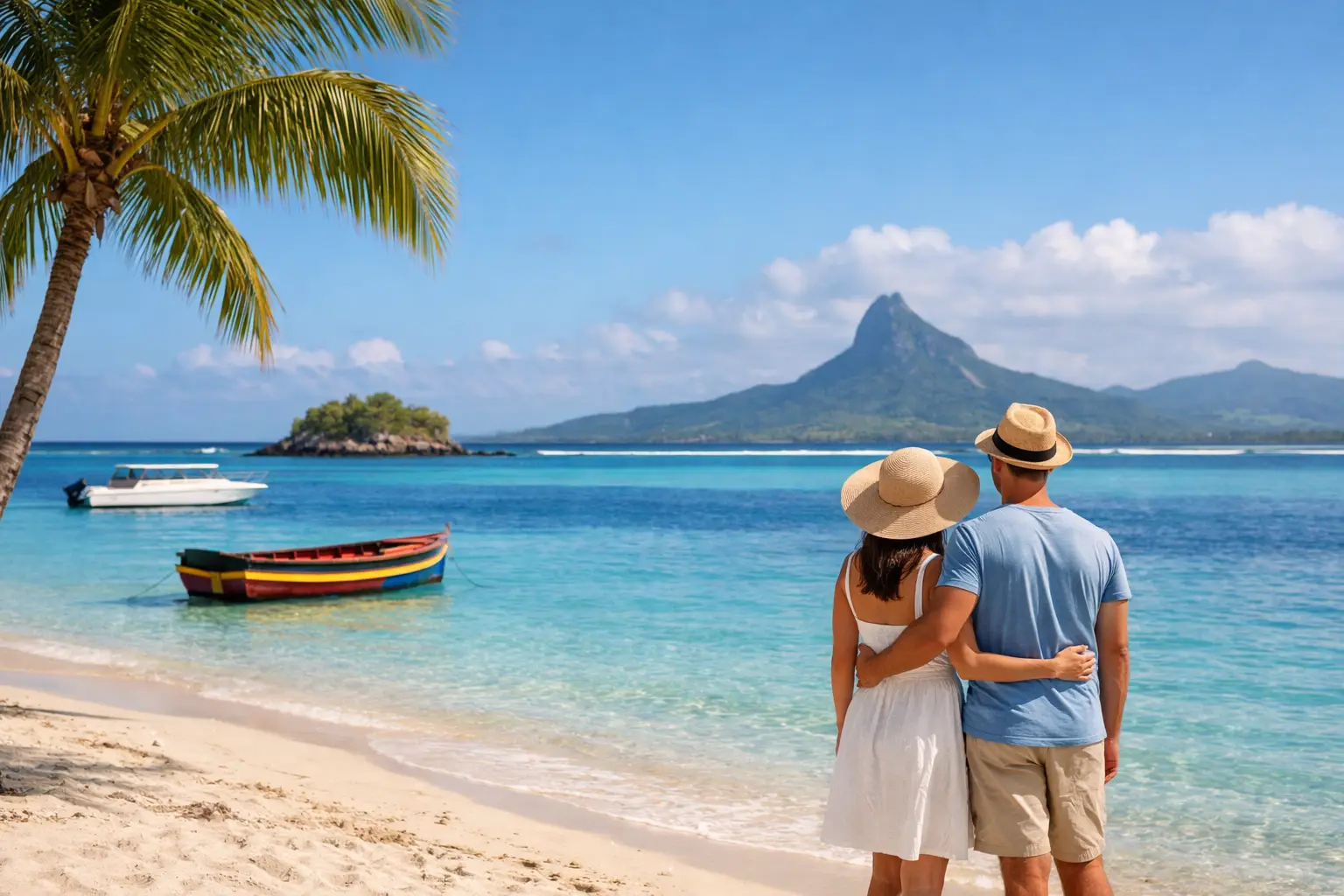
A relaxed beach day can turn stressful fast if you are second-guessing every taxi, every quiet street, or every swim spot. So, is Mauritius safe for tourists? In general, yes. Mauritius is considered one of the safer island destinations for international visitors, and most holidays here are smooth, welcoming, and trouble-free. That said, safe does not mean risk-free, and a better trip usually comes down to knowing where to stay alert and how to move around the island with confidence.
Mauritius has a strong reputation for hospitality, stable tourism infrastructure, and a travel-friendly atmosphere that suits couples, families, solo travelers, and small groups. Visitors come for lagoons, luxury resorts, mountain views, catamaran trips, local food, and easy sunshine. What keeps many people comfortable once they arrive is that the island is not only beautiful, but also relatively easy to navigate when your transport, activities, and timing are properly organized.
Is Mauritius safe for tourists in general?
For most visitors, the answer is yes. Violent crime affecting tourists is not common, and the overall environment is calmer than many travelers expect from a busy holiday destination. In popular tourist areas such as Grand Baie, Flic en Flac, Belle Mare, and Le Morne, visitors usually enjoy their stay without major issues.
The more realistic concerns are petty theft, road safety, poor planning, and occasional weather-related risks. Those are manageable. If you use trusted transport, avoid displaying valuables, stay aware in crowded places, and take sea conditions seriously, Mauritius feels less like a difficult destination and more like an easy one.
That is an important distinction. Travelers often ask whether a destination is safe as if the answer should be absolute. In reality, safety depends partly on your habits. A well-planned holiday with reliable airport transfers, clear excursion schedules, and local guidance will almost always feel more secure than trying to improvise every detail after landing.
Crime in Mauritius: what tourists should really know
Most tourist safety concerns in Mauritius fall into the low-level category. Think unattended bags on the beach, phones left on café tables, valuables visible in rental cars, or casual scams aimed at visitors who seem unsure of where they are going.
Pickpocketing and opportunistic theft can happen, especially in busy public areas, markets, beaches, and parking spots. This does not mean you should feel on edge all day. It simply means basic travel habits matter here, just as they do in any popular destination. Keep your passport and extra cash secured, avoid carrying more than you need for the day, and do not leave bags unattended while swimming.
Nighttime usually feels relaxed in resort zones and well-frequented areas, but isolated beaches, quiet back roads, and poorly lit areas are best avoided if you are alone. Couples and families rarely have issues when they stick to active areas and use arranged transport rather than guessing their way home late at night.
Scams are generally limited and not aggressive, but tourists can still overpay for transport or activities if they book casually on the spot without checking who they are dealing with. That is one reason many travelers prefer to have excursions, airport pickup, car rental, or private transport arranged through a trusted local operator instead of handling each piece separately.
Beach and ocean safety matters more than many expect
One of the biggest mistakes visitors make in Mauritius is focusing only on crime and ignoring the natural environment. The island is famous for calm lagoons, but not every beach behaves the same way every day.
Some areas are very protected and gentle for swimming, while others can have strong currents, waves, slippery rocks, or sudden changes in sea conditions. This is especially relevant in exposed coastal areas and during windy weather. Even confident swimmers should avoid assuming that every picture-perfect beach is equally safe.
If a beach is unfamiliar, ask locally before swimming far out or trying water activities. Families with children should be especially careful around coral, changing tide levels, and rougher water. Wearing water shoes can help in some areas, and paying attention to flags, weather, and boat zones makes a real difference.
Boat trips, dolphin excursions, snorkeling, and other sea activities are usually safe when handled by reputable providers. The trade-off is simple: the cheapest or most casual option is not always the best one. Proper equipment, clear safety instructions, and experienced crews matter more than many travelers realize at booking time.
Road safety and getting around the island
If you are asking is Mauritius safe for tourists, transport should be part of the answer. Road conditions vary, traffic can be busy, and local driving styles may feel unfamiliar, especially if you are arriving from countries with different road rules or road behavior.
Mauritius drives on the left. For some travelers, that is easy to adapt to. For others, especially after a long-haul flight, it is one of the biggest practical risks of the trip. Rural roads can be narrow, signage may not always be ideal, and driving at night can be more tiring than expected.
That does not mean car rental is a bad idea. It can be a great option if you want flexibility and feel comfortable driving in those conditions. But it is not the best fit for everyone. Families with children, couples planning full-day excursions, or first-time visitors often feel more relaxed with airport transfers, private drivers, or organized day transport instead of managing every route themselves.
Taxis are available, but standards can vary. Pre-arranged transport gives you more clarity on timing, pricing, and reliability, which removes one of the common stress points from the holiday.
Weather, health, and seasonal risks
Mauritius is not a high-risk destination for health emergencies, but common-sense precautions still matter. The heat can catch people off guard, especially when they spend long hours outdoors on arrival day or underestimate sun exposure during boat trips and beach afternoons. Sunburn, dehydration, and fatigue are far more common than serious medical issues.
Use reef-safe sun protection when possible, drink more water than you think you need, and pace your first day if you are arriving after a long flight. This sounds simple, but it often shapes whether your first few days feel easy or exhausting.
Cyclone season also deserves a mention. Mauritius can be affected by tropical weather, mainly during the warmer months. Serious disruption is not a constant issue, but weather conditions can affect flights, sea outings, and visibility. A flexible itinerary helps. The island remains enjoyable in many conditions, though ocean activities may need to be adjusted for safety.
Mosquitoes can be present, particularly in humid periods or greener areas, so repellent is worth packing. If you have any personal medical concerns, bring essential medication with you rather than assuming you will easily replace it after arrival.
Solo travelers, families, and couples
Mauritius works well for different types of travelers, but safety looks slightly different depending on how you travel. Couples usually find the island comfortable and romantic, with plenty of resort areas and day trips that feel easy to manage. Families tend to appreciate the calmer pace, shorter transfer distances, and child-friendly beaches, though they should be selective about swimming spots and long road days.
Solo travelers can absolutely enjoy Mauritius safely, especially in established tourist areas, but planning matters more if you do not have companions. If you are traveling alone, avoid isolated areas after dark, keep someone updated on your day plans, and choose organized activities when heading to unfamiliar places.
Independent travelers sometimes assume more freedom always means a better experience. In Mauritius, the better approach is balance. You can still enjoy flexibility while relying on local support for airport arrival, transport between regions, or selected tours where timing and logistics matter.
Practical ways to stay safe and enjoy the island more
The safest Mauritius trips usually have one thing in common: they are organized just enough. Not overplanned, just supported in the right places.
Book your arrival transfer before you land so your first hour on the island feels easy. Use reputable providers for excursions and sea activities. Keep valuables out of sight in vehicles and on beaches. Ask before swimming in unfamiliar conditions. If you are renting a car, drive cautiously and avoid unnecessary nighttime trips in unfamiliar areas.
It also helps to respect the island rather than treating it like a resort bubble. Mauritius is welcoming and friendly, but local awareness always improves the experience. Dress appropriately when visiting cultural or religious sites, be polite in smaller communities, and ask questions when unsure. People are generally helpful, and a little local guidance goes a long way.
For travelers who want peace of mind from the start, working with an on-the-ground planner such as Discovering Mauritius can simplify the parts of the trip where uncertainty tends to creep in, especially transport, tours, and day-to-day coordination.
Mauritius is the kind of destination where most people feel safer once they arrive than they did while researching. Come with normal precautions, choose your services carefully, and give yourself the benefit of good local support. That is usually all it takes to turn a beautiful island holiday into a genuinely relaxed one.